Industrial & engineering models
Archetype3D builds custom physical industrial and engineering scale models for clients around the world. Our shop is in Denver, and we work closely with you at every stage. We ship and install worldwide. Our equipment, facility and system models help engineers and sales teams explain how things work to customers, investors and the public.
See the workOur work
USCG Training Model
See the projectData Center
See the project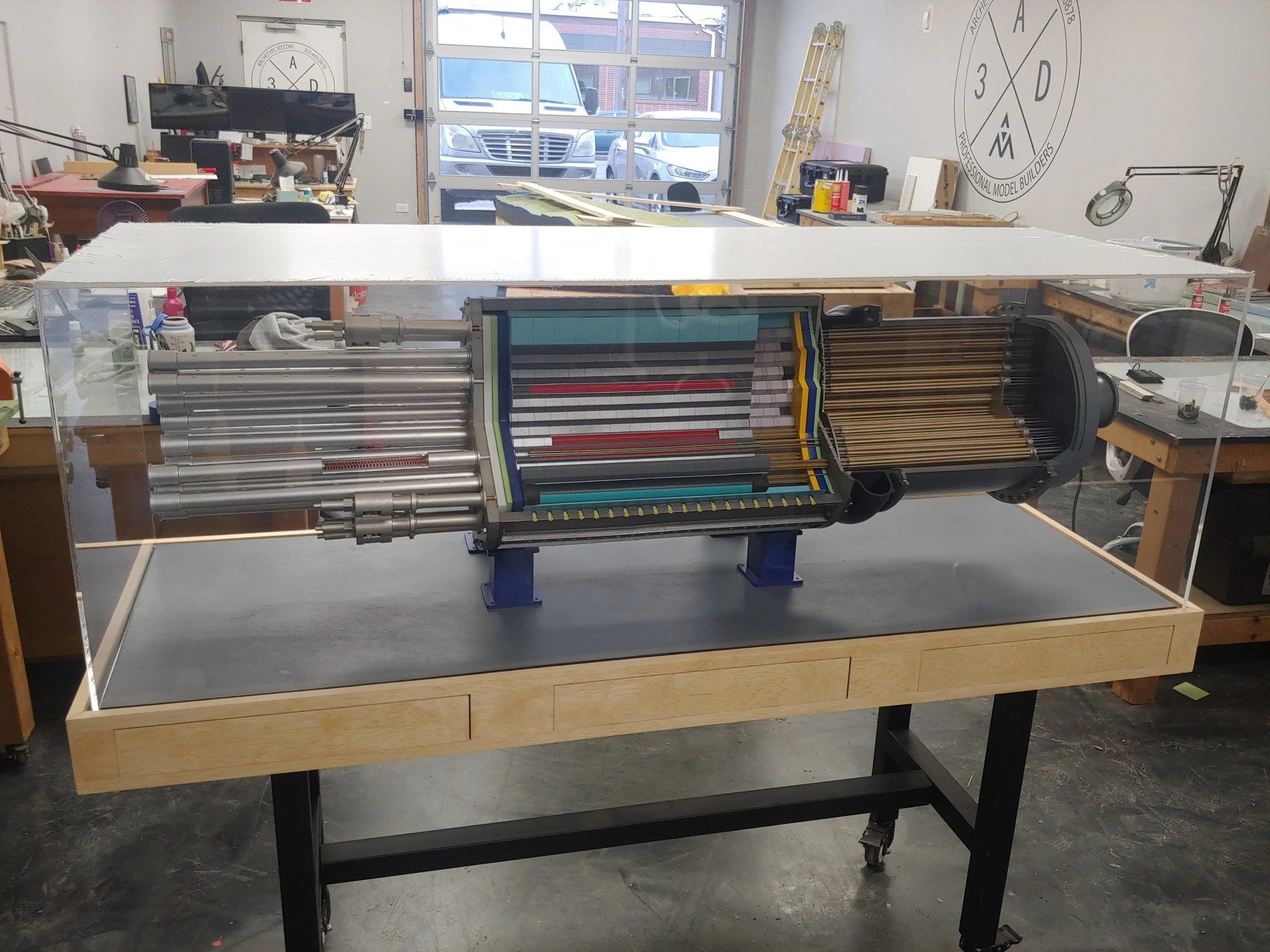
Westinghouse eVinci Microreactor
See the project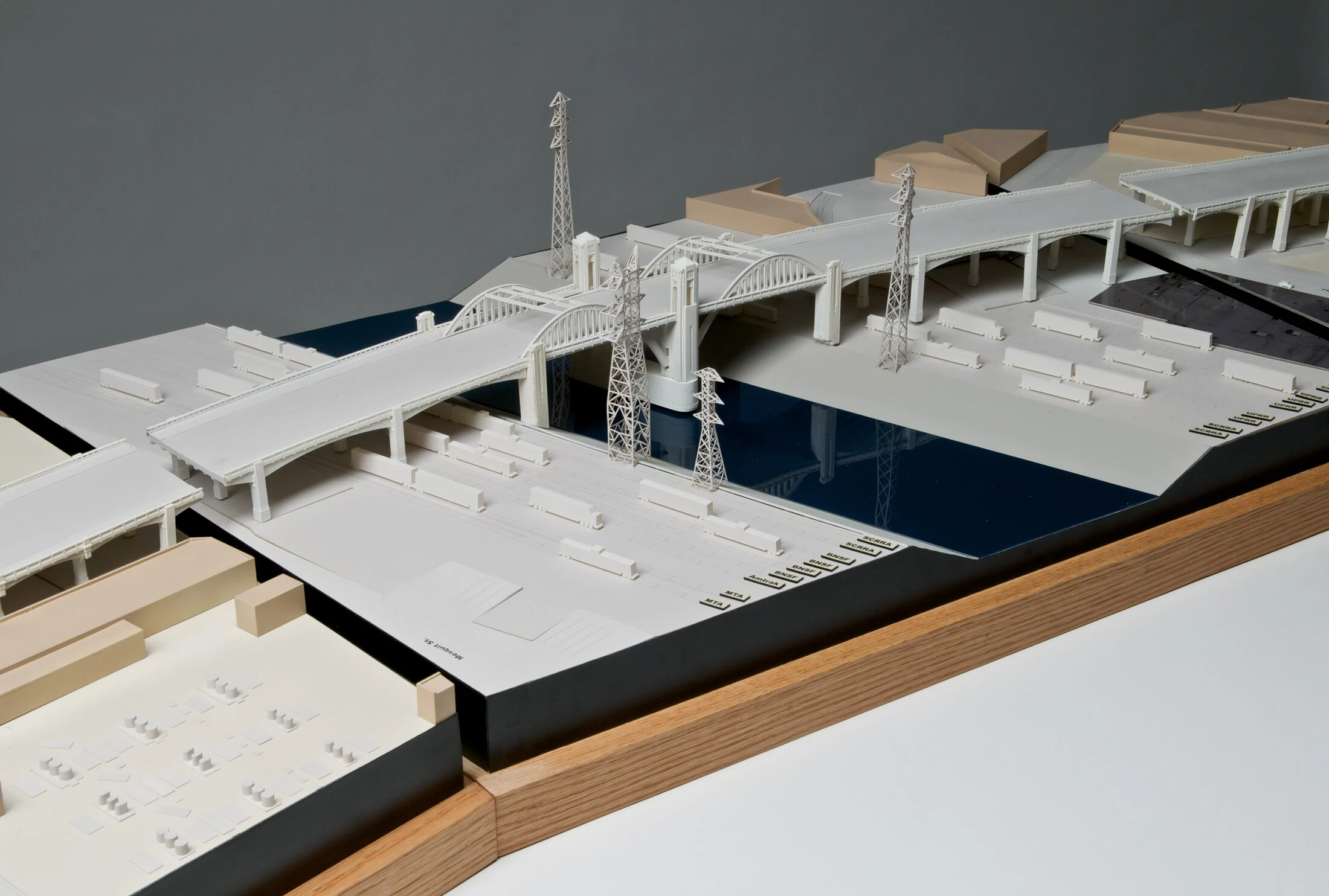
Sixth Street Viaduct Concept Model
See the project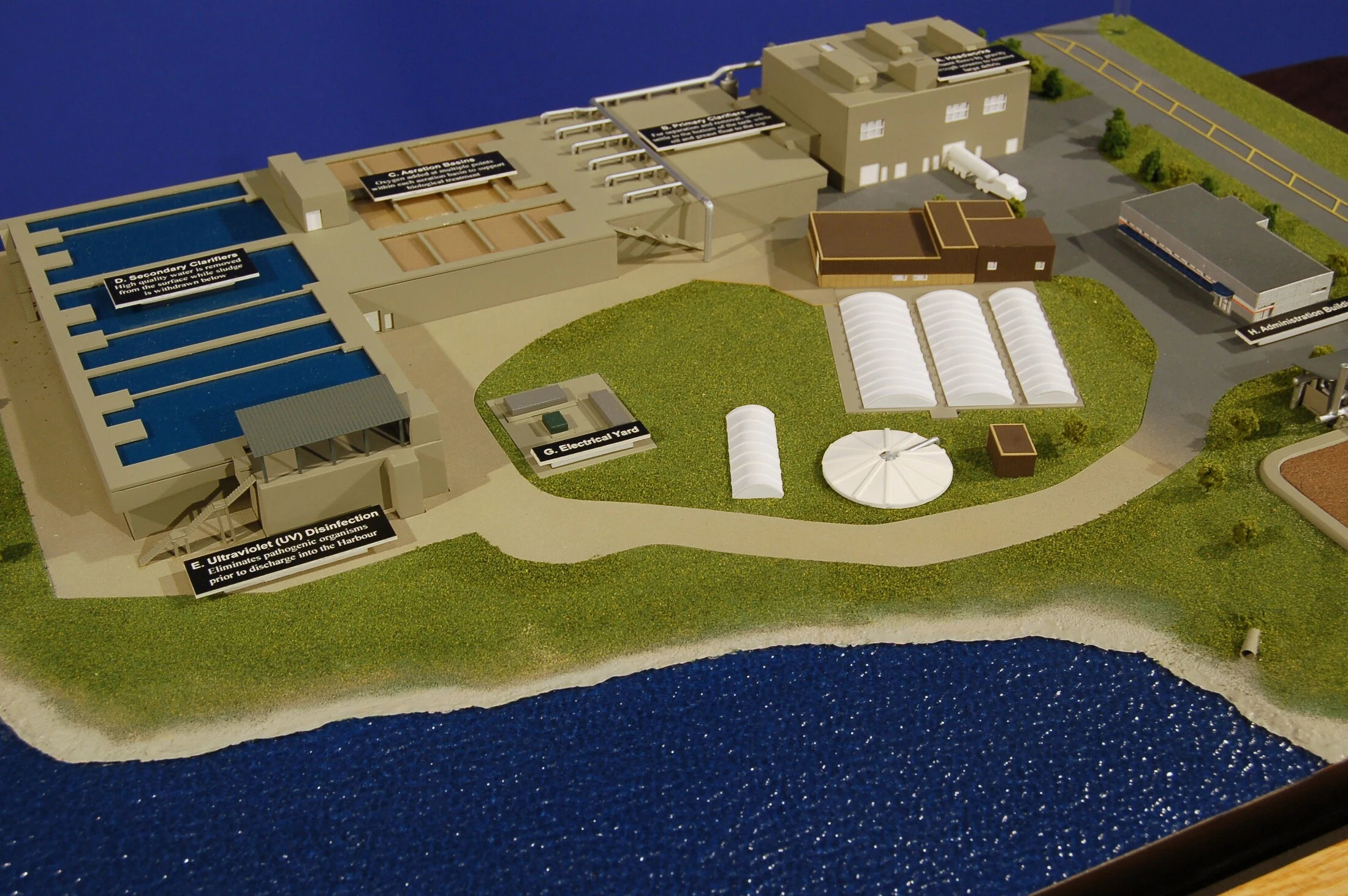
Halifax Eastern Passage Wastewater Model
See the project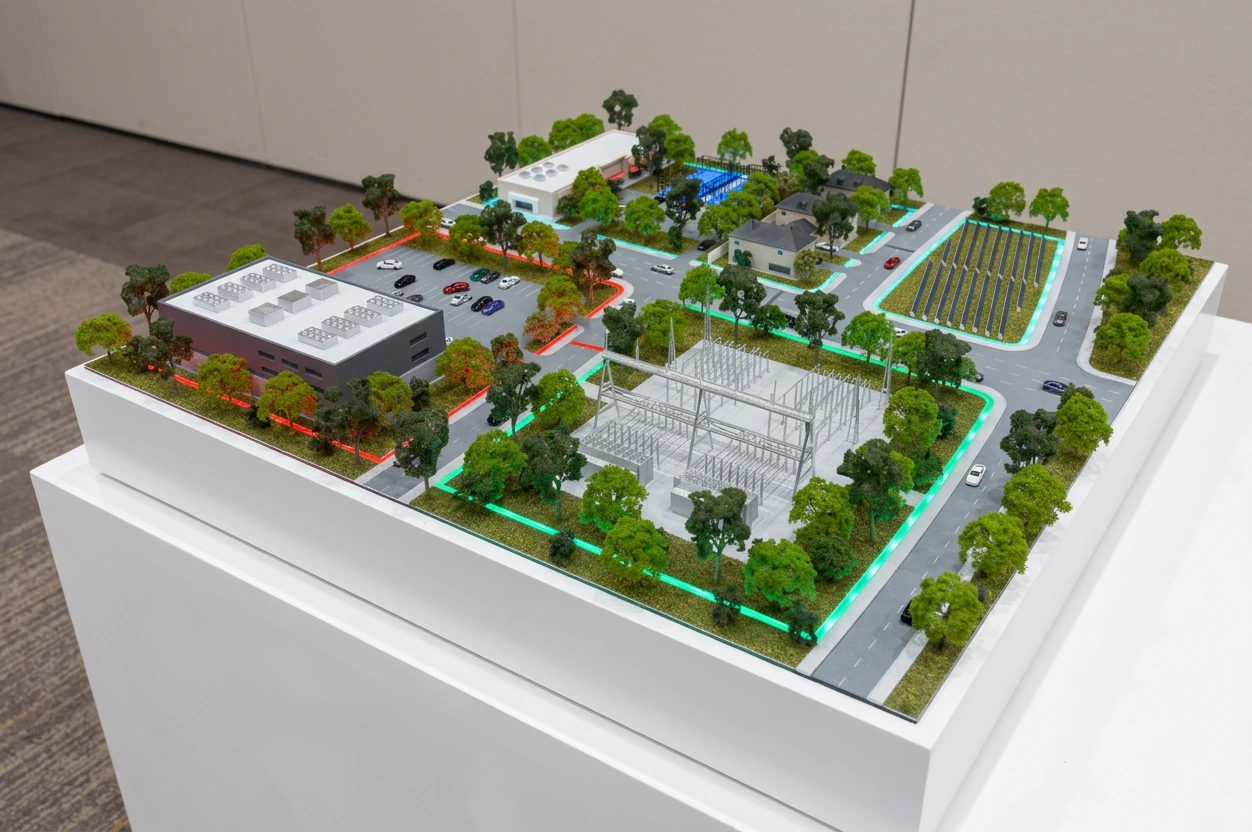
Hitachi Electrical Distribution Model
See the project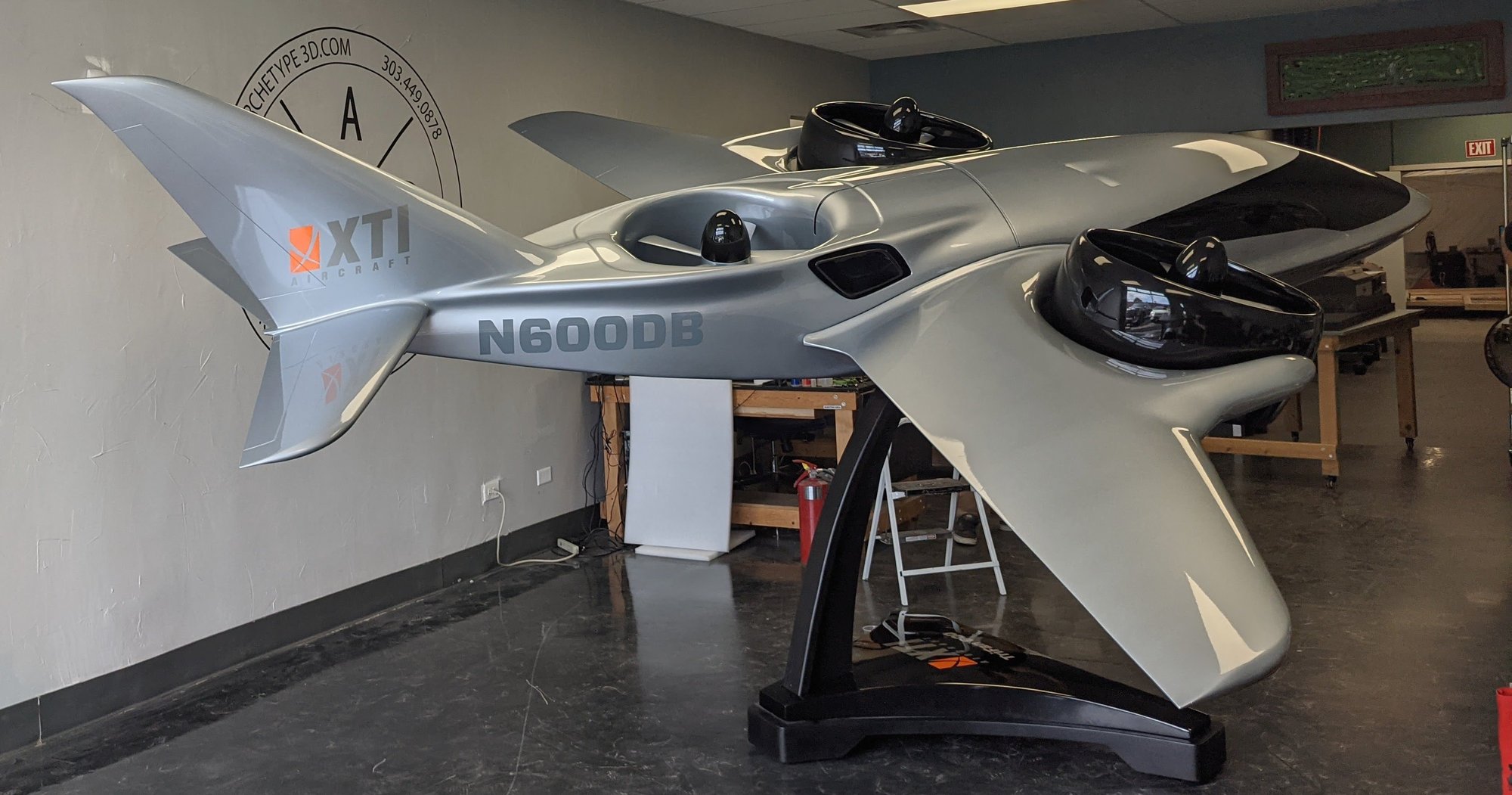
XTI Aircraft
See the project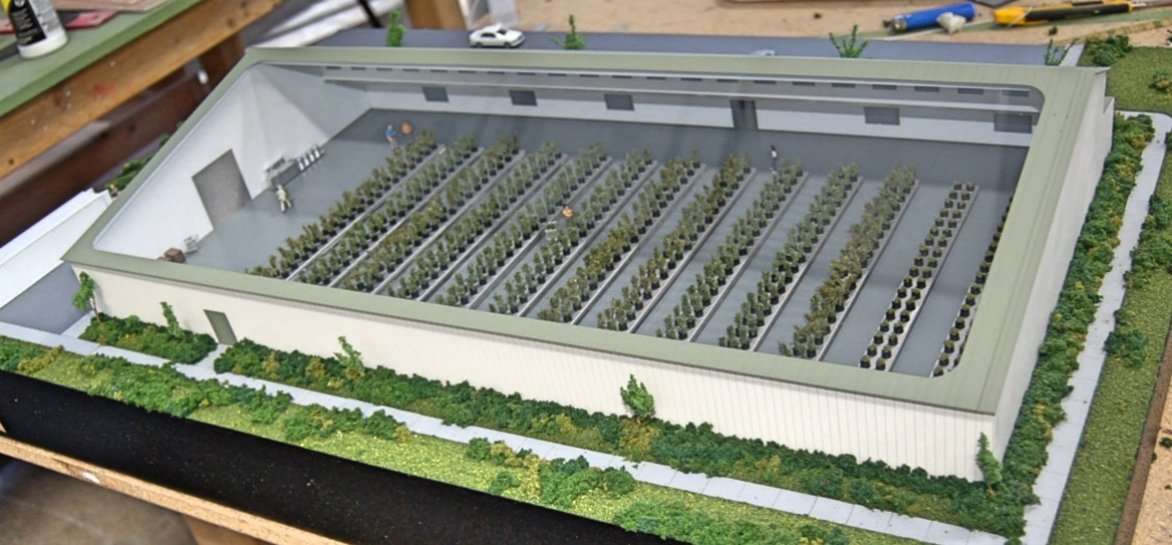
Micron Waste Technologies
See the project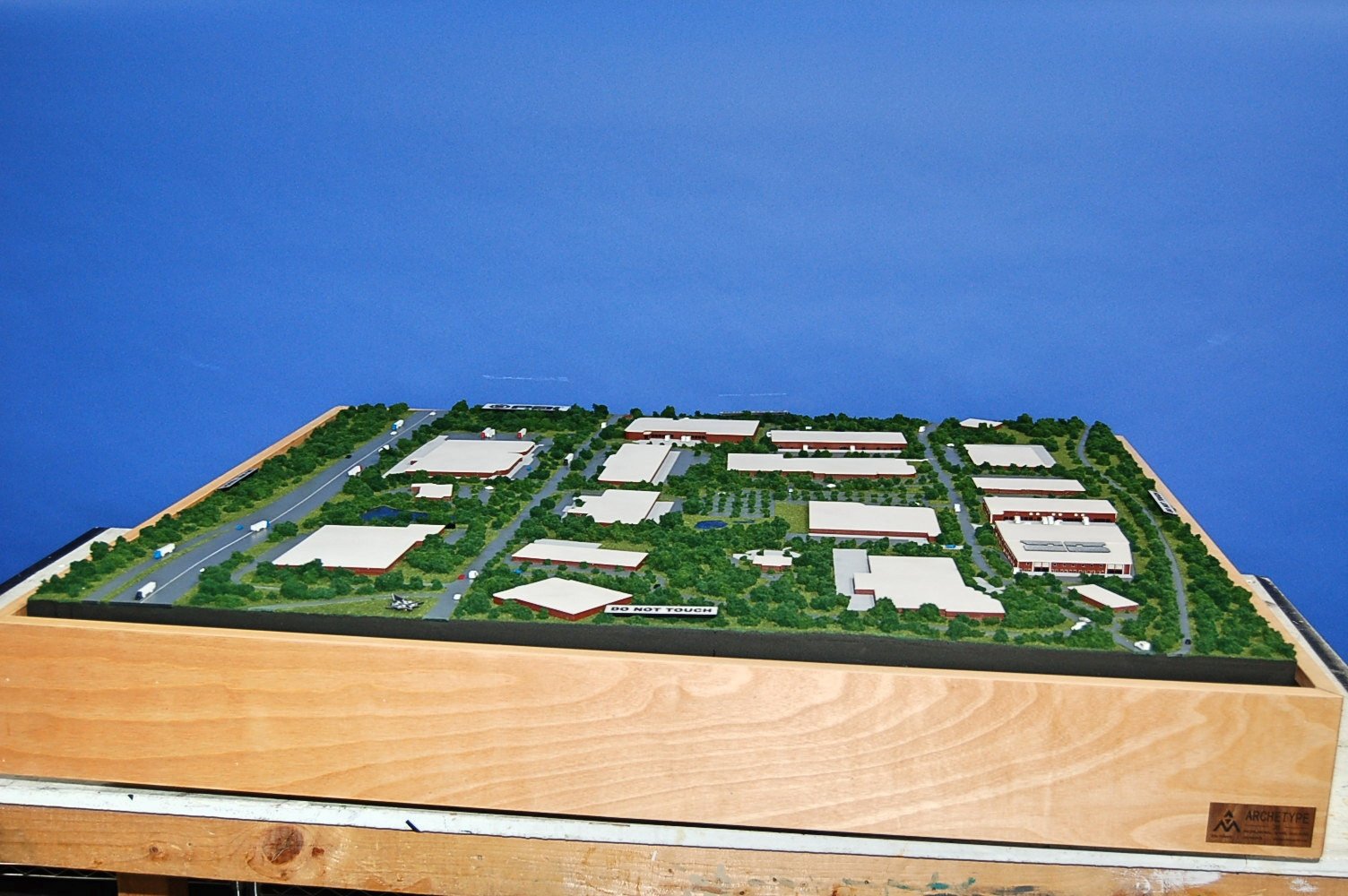
PAI Industrial Site
See the project
SunPower
See the project
Live Well San Diego Mobile Office
See the project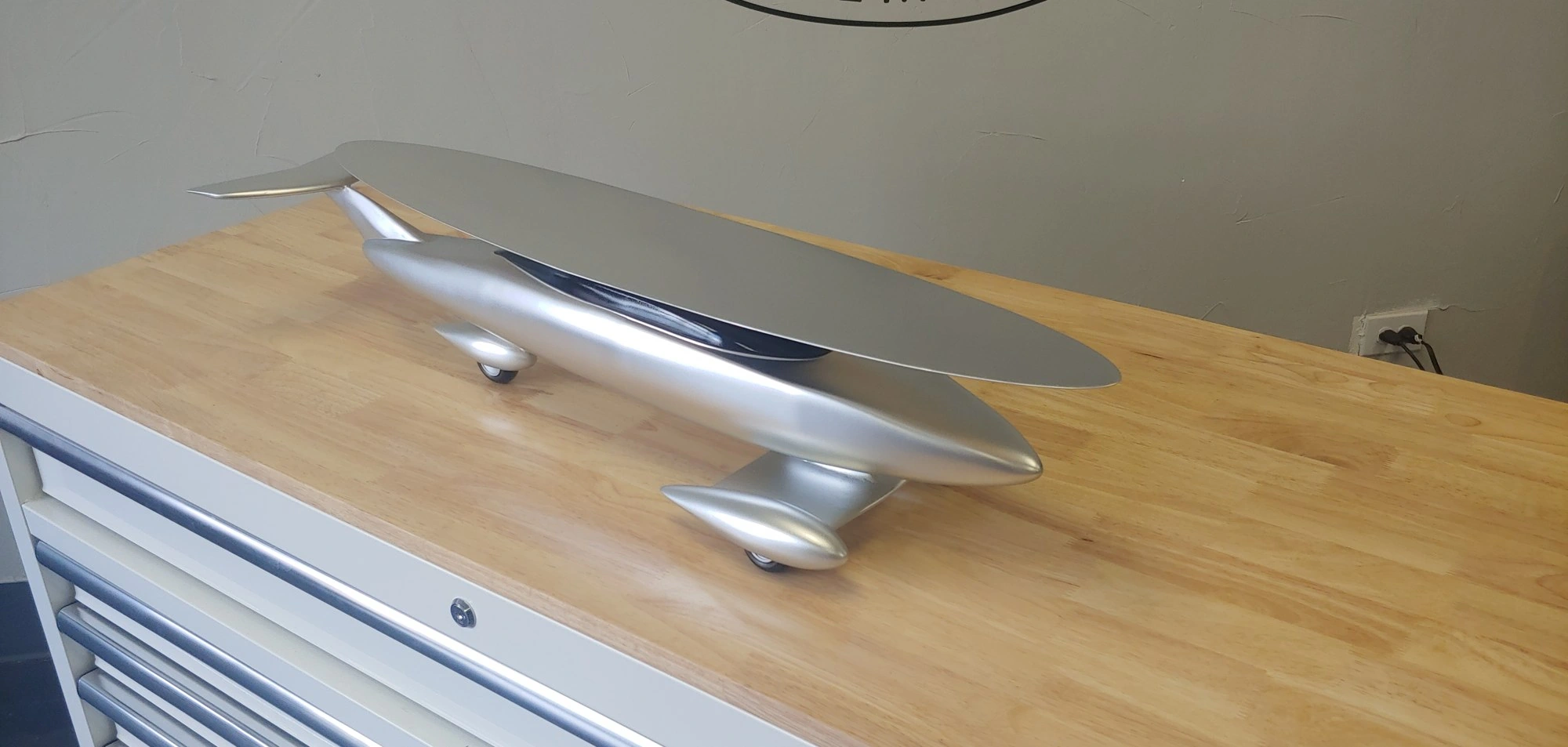
Concept Flying Car
See the project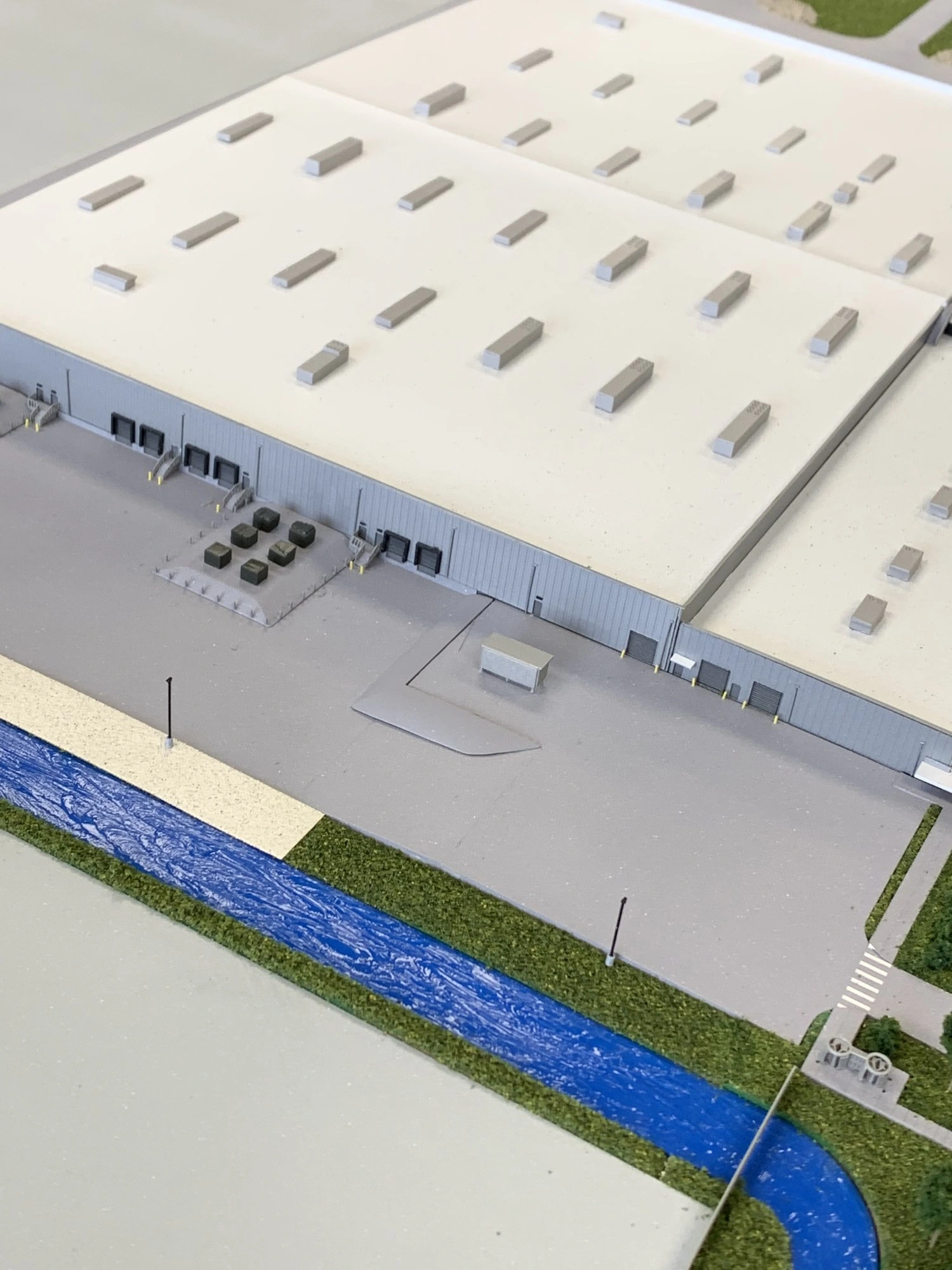
KBG San Antonio Site Model
See the project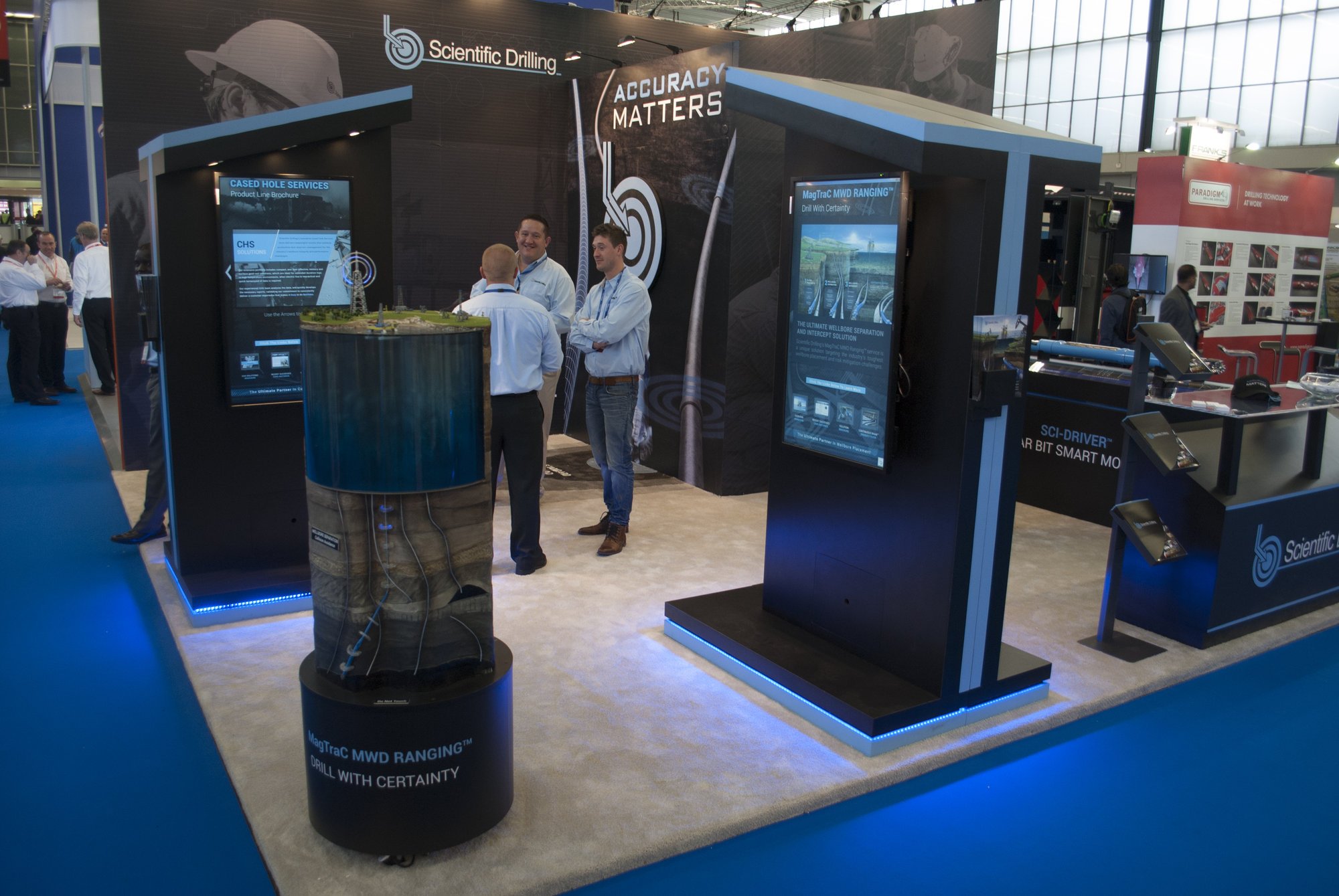
MagTraC Scientific Drilling
See the project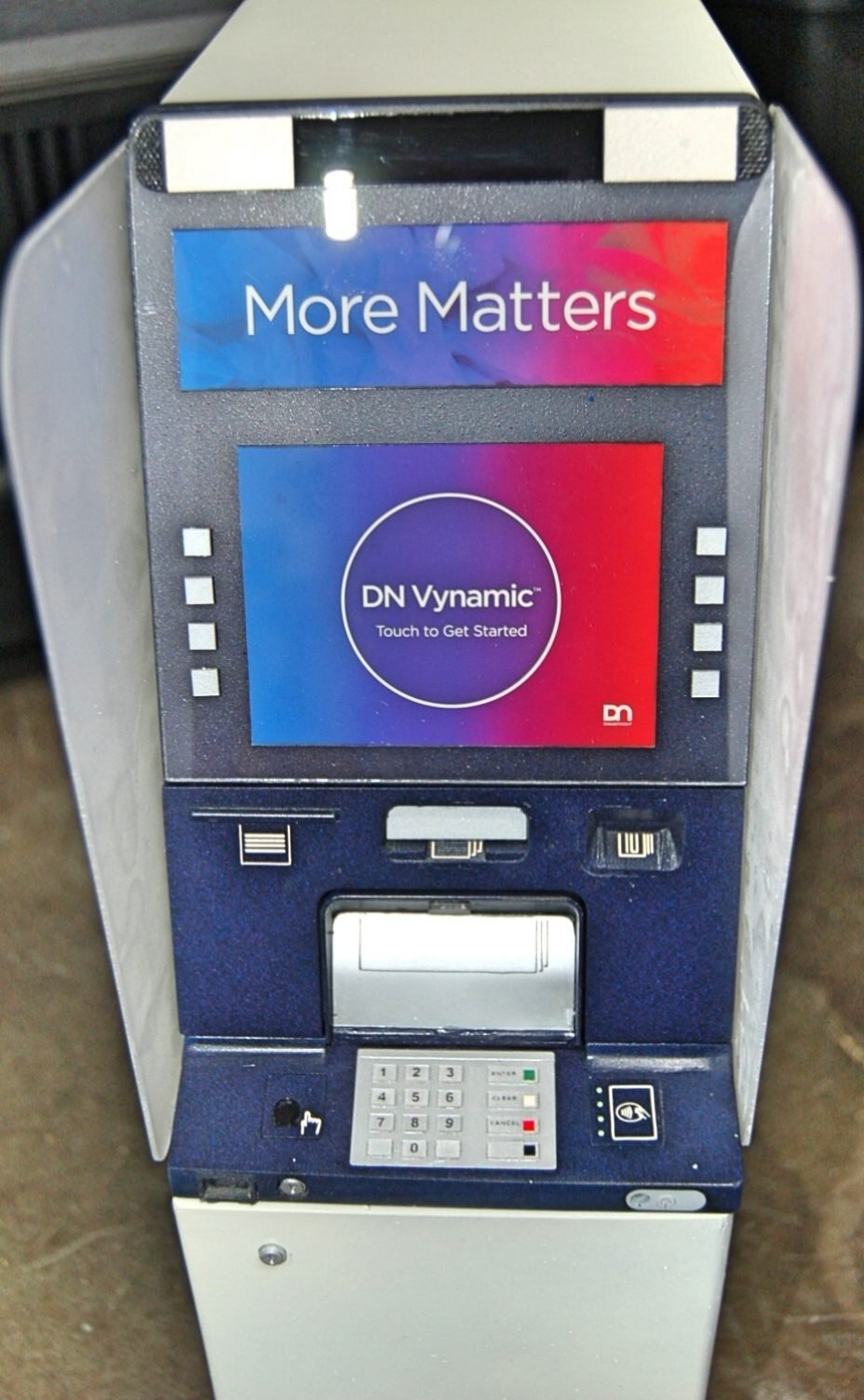
ATM Product Demonstration
See the project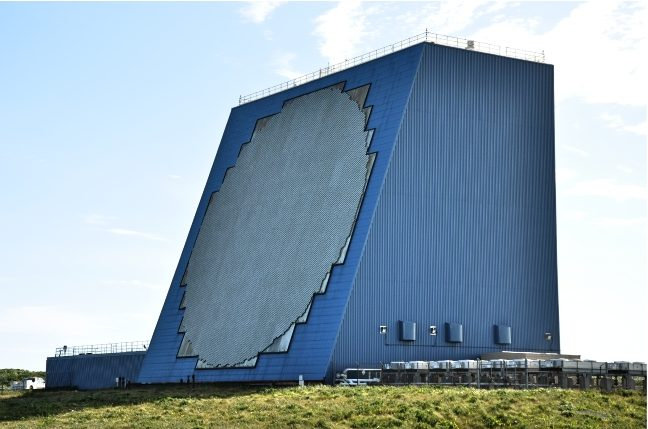
Cobra Dane Retirement Models
See the projectBring the equipment into the conversation
The roof of our Data Center model lifts to reveal the systems below, and lighting guides tours of the facility. CWMF, which makes asphalt plant equipment, needed something entirely different: a model of a portable silo system that could travel to trade shows. Each was designed around the conversation the client needed to have.
Planning an industrial model
Start with the equipment, facility or process you need to explain, then identify what an exterior view cannot show: an internal component, a flow path or the relationship between systems. Drawings, CAD or STEP files and photographs help us plan the physical model. Tell us whether presenters need to lift a roof, remove a section or demonstrate movement, and whether the model must travel. Related guide: explaining a complex system with a scale model.
Industrial models for equipment, processes and facilities
Choose the model around what your audience needs to understand. An equipment model can bring a machine or component to a meeting or trade show; a cutaway can reveal the parts normally hidden inside. Our Westinghouse eVinci model uses a cutaway and color-separated components to explain the reactor’s internal layout.
A process model puts connected equipment in one view. CWMF’s portable silo-system model shows how the parts fit together and travels to trade shows.
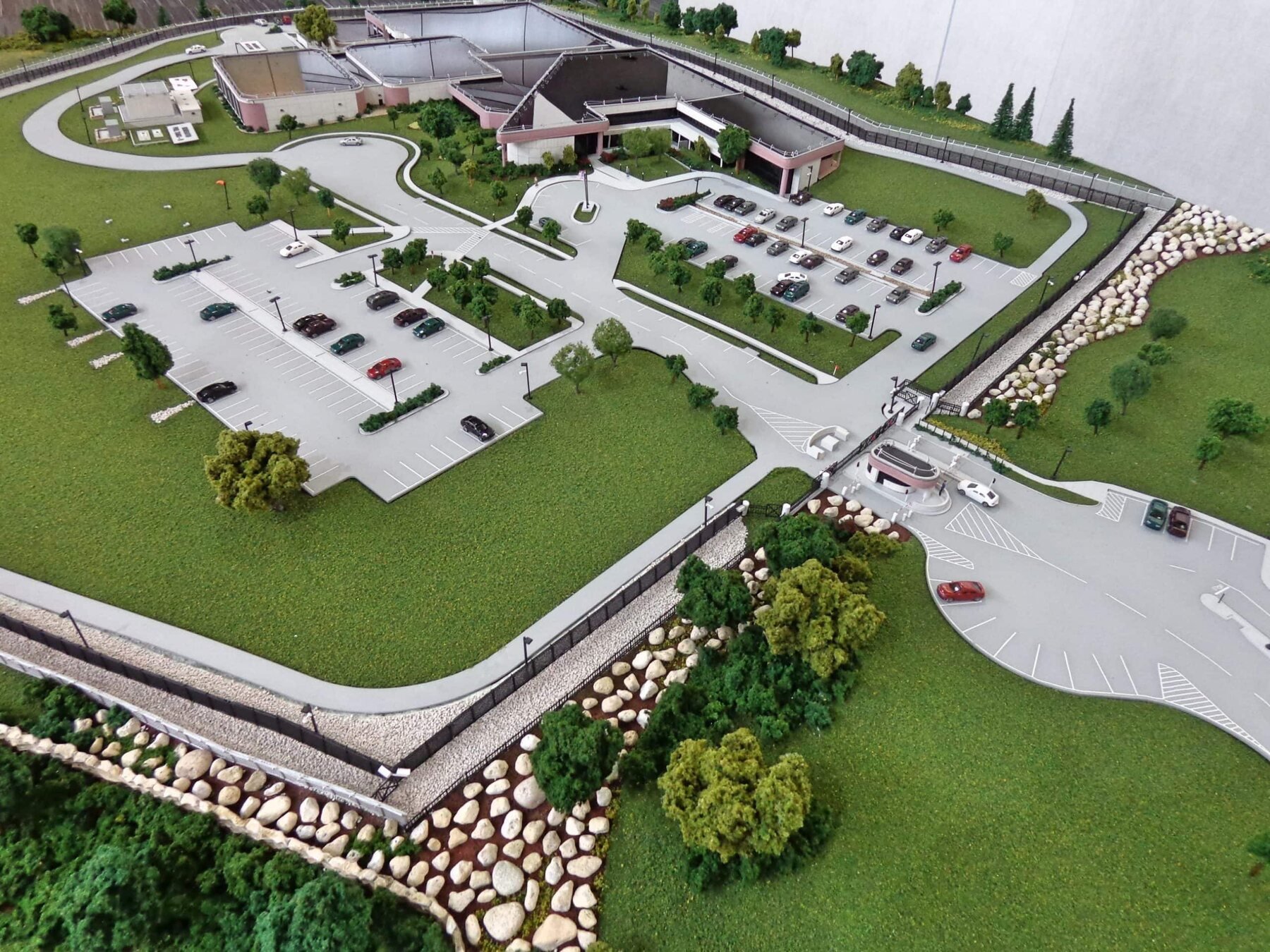
A facility model explains a larger site. The Data Center model uses a lift-off roof and lighting to reveal systems below it, while KBG’s San Antonio model shows the main facility, roads, loading bays and neighboring buildings. Decide which of these jobs the model needs to do before choosing its scale and detail.
Planning a factory or manufacturing-facility model
For a factory model, mark the buildings, access routes and loading areas, then identify any internal equipment the audience needs to see. A site overview and a closer equipment demonstration may need different views. Our PAI campus model keeps the buildings and infrastructure together; CWMF’s portable silo-system model focuses on equipment for a trade-show demonstration.
For campuses, see data center models; for reactors and solar, see energy and nuclear models.
Maritime and waterfront model briefs
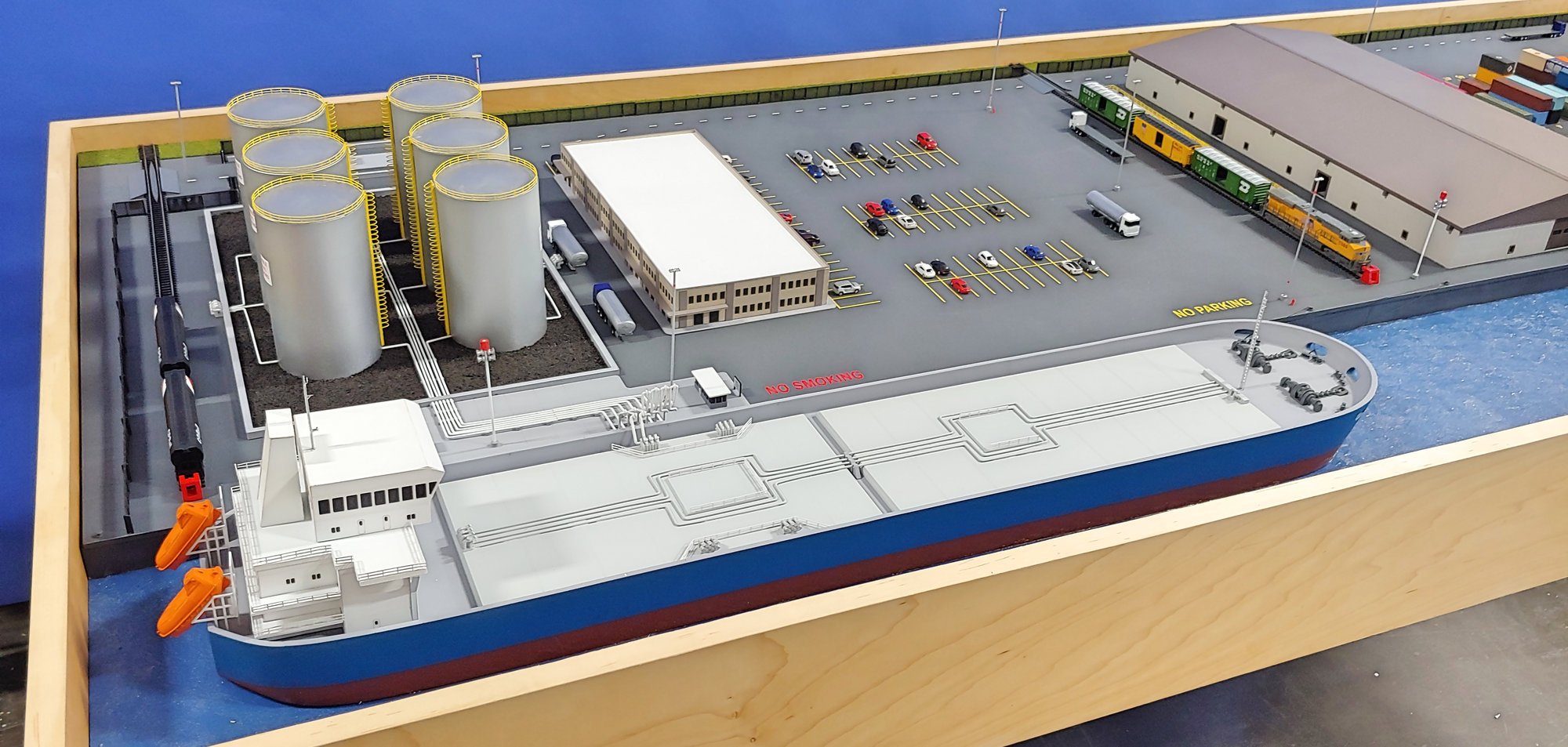
The U.S. Coast Guard’s waterfront training model brings a port facility into the classroom, including a ship, cargo areas, a crane and a warehouse. Instructors use the physical scene alongside lectures and demonstrations, so students can point to a location while keeping the wider facility in view. The model’s job is to make the setting clear; the teaching materials explain the procedures and requirements.
For a separate vessel or yacht model, define what the audience needs to see: the exterior form, selected systems or the vessel in its wider setting. Source drawings, photographs, the display space and the intended viewing distance help define the brief. A vessel-only presentation and a port training scene need different information, so describe the purpose before deciding the scale and detail.
What it costs
Each project receives a fixed-cost proposal after we understand its scope. Cost factors include model size and scale, the number and uniqueness of components, internal detail, cutaways, materials and working features. We also account for the schedule, shipping and installation where applicable. See what a custom scale model costs.
Common questions
What is an engineering scale model?
A physical model, built to a chosen scale, that explains how equipment, a facility or a system is arranged. Ours are display models made to tell a clear story to customers, investors or the public.
What do you need to start an industrial model?
Drawings, CAD or STEP files and photographs. We'll also ask which parts people need to see and whether the model will travel.
Can an industrial model travel to trade shows?
Yes. The CWMF silo-system model was built to travel, and we plan handling, transport and protective cases from the start. See trade show models.
How much does an industrial or engineering model cost?
Each project receives a fixed-cost proposal after we understand its scope. Cost factors include model size and scale, the number and uniqueness of components, internal detail, cutaways, materials and working features. We also account for the schedule, shipping and installation where applicable.
Have an equipment or facility project to discuss?
Tell us what the model needs to show, who will see it and when you need it. We'll help you plan the scale, details and budget.
Have an equipment or facility project to discuss?
Share what the model needs to show and who it’s for, and we’ll help you think through scale, details and next steps.
Contact us