
Museum & exhibit models
Archetype3D builds custom physical museum and exhibit models for institutions around the world, including fully detailed dioramas. Our shop is in Denver, and we work closely with you at every stage. We ship models worldwide. They help visitors explore subjects too large, remote or fragile to see directly. Our work includes terrain models of Mount St. Helens and Mount Rainier for the Yakima Valley Museum, a lit ice core for the Ontario Science Centre and a historical river model for the St. Charles Heritage Museum.
A museum scale model brings a landscape or scene into the gallery at a size visitors can explore. A replica may instead preserve an object’s real size, as with the Ontario Science Centre’s 48-inch ice core. We plan scale and display around the subject and visitor experience, rather than assuming every exhibit needs to be miniaturized.
See the workCustom museum models: landscapes, replicas and dioramas
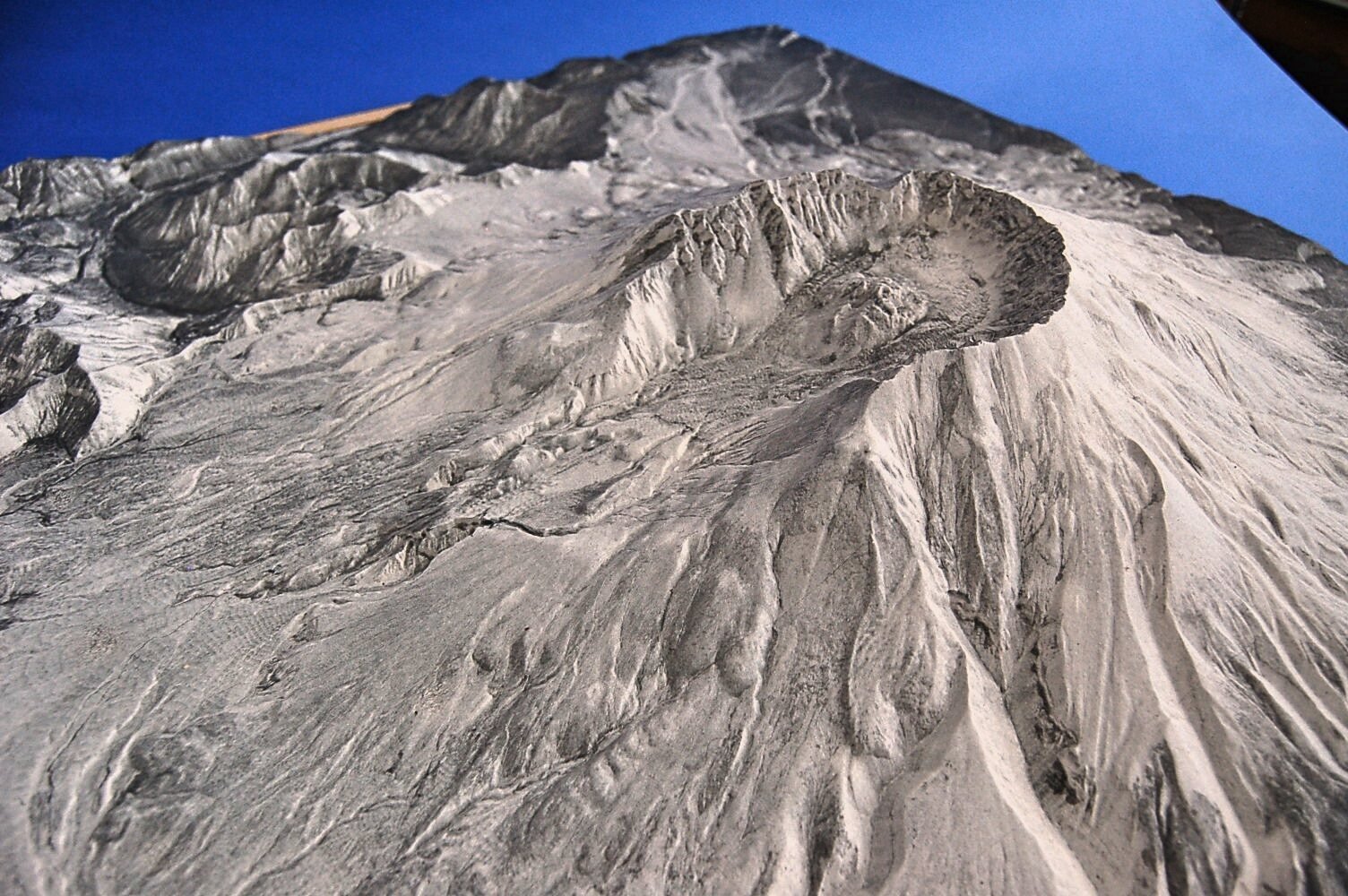
Mount St. Helens Terrain
Terrain and satellite imagery for the Yakima Valley Museum.
See the project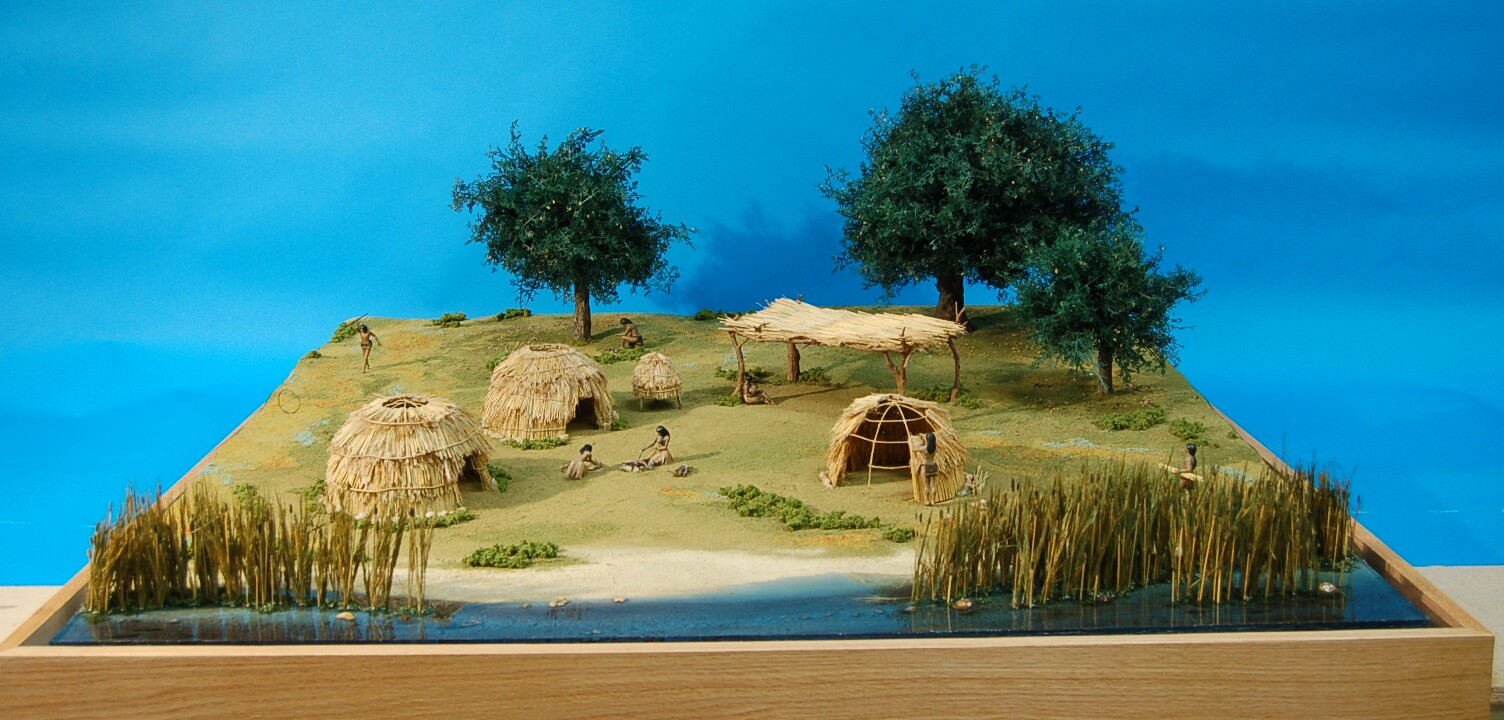
Mission San Miguel — Village Diorama
A village scene with figures, buildings and a partly built hut.
See the project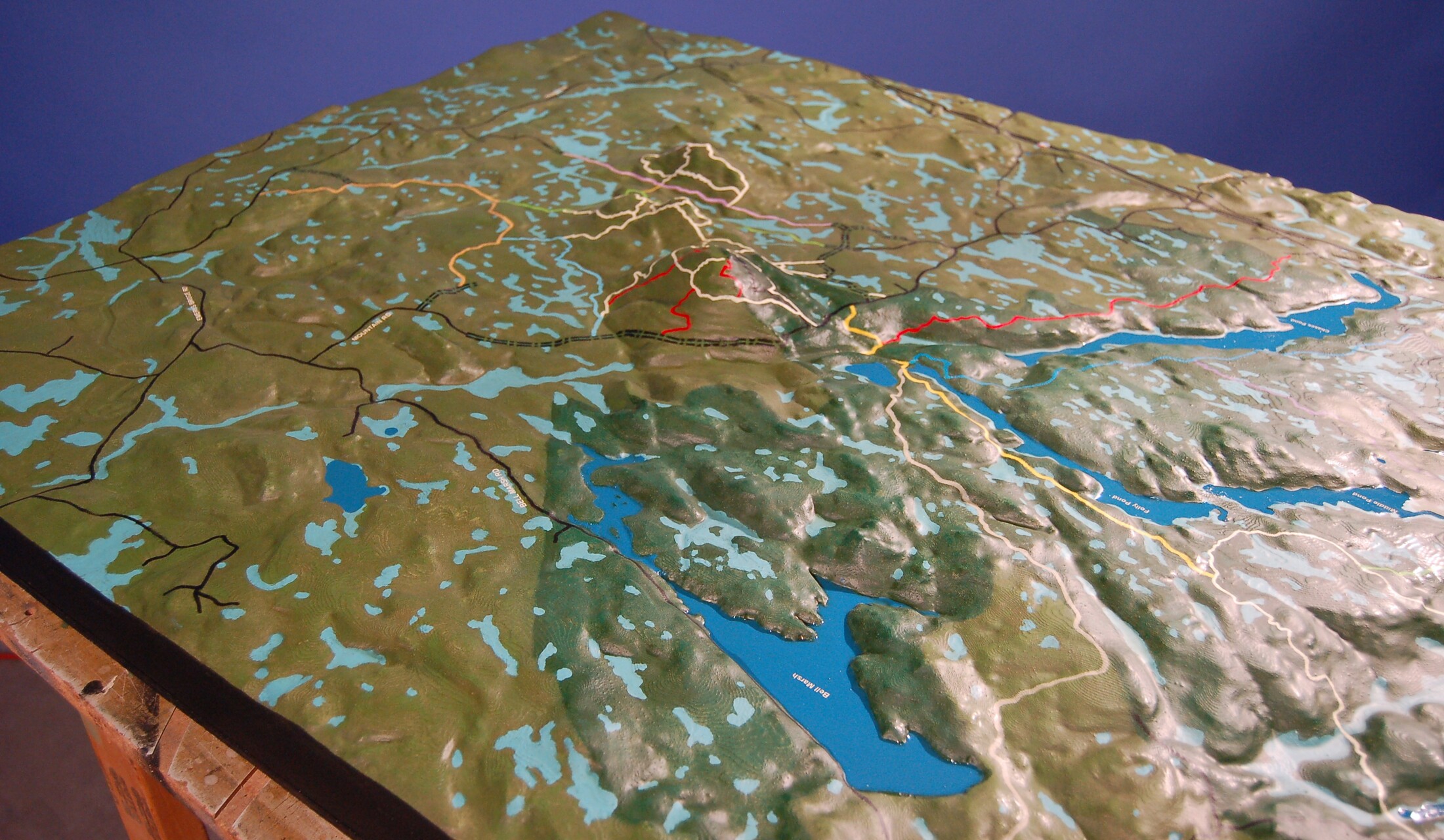
Mount Agamenticus
A touchable relief model with waterways, roads and trails.
See the project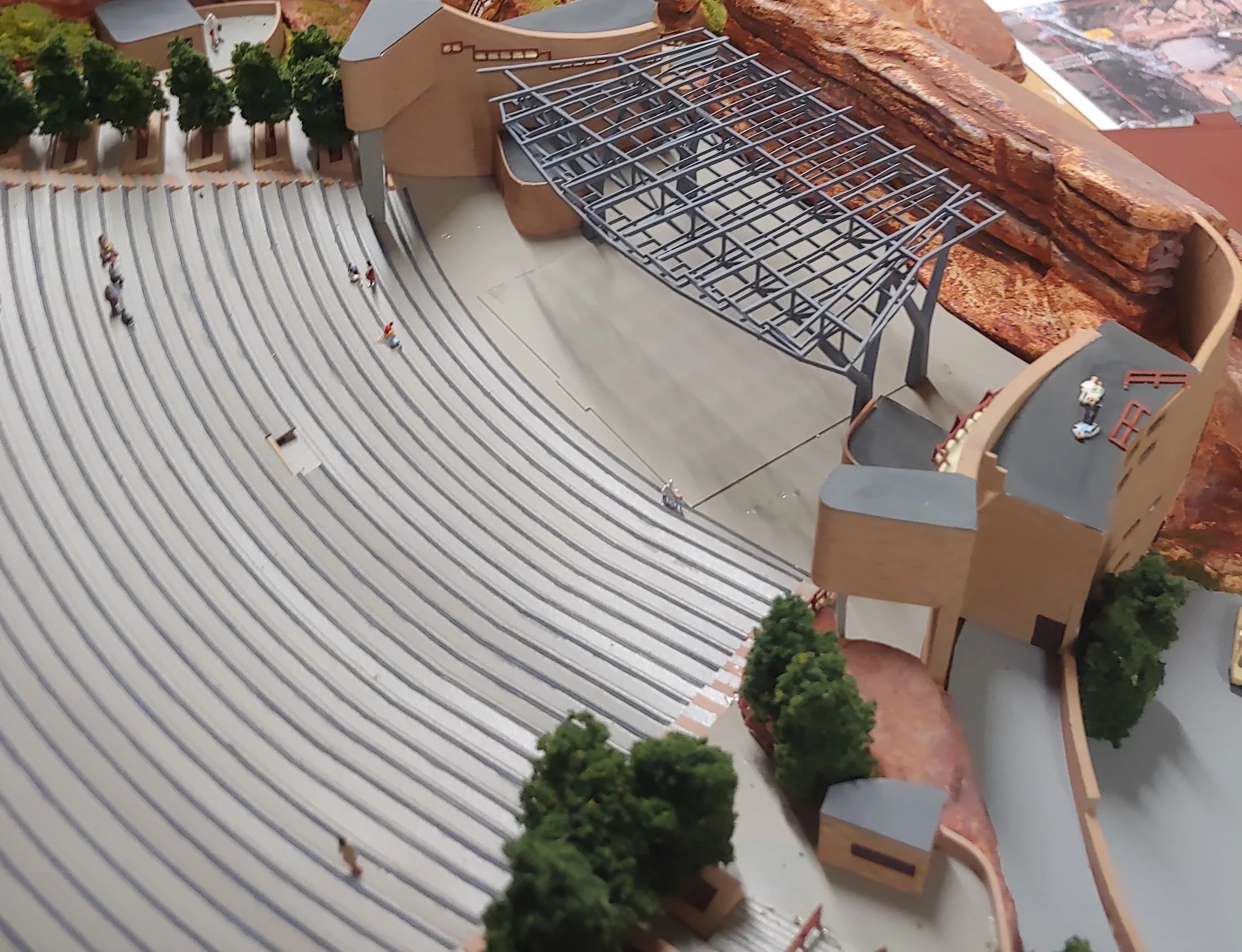
Red Rocks Amphitheatre Museum Model
See the project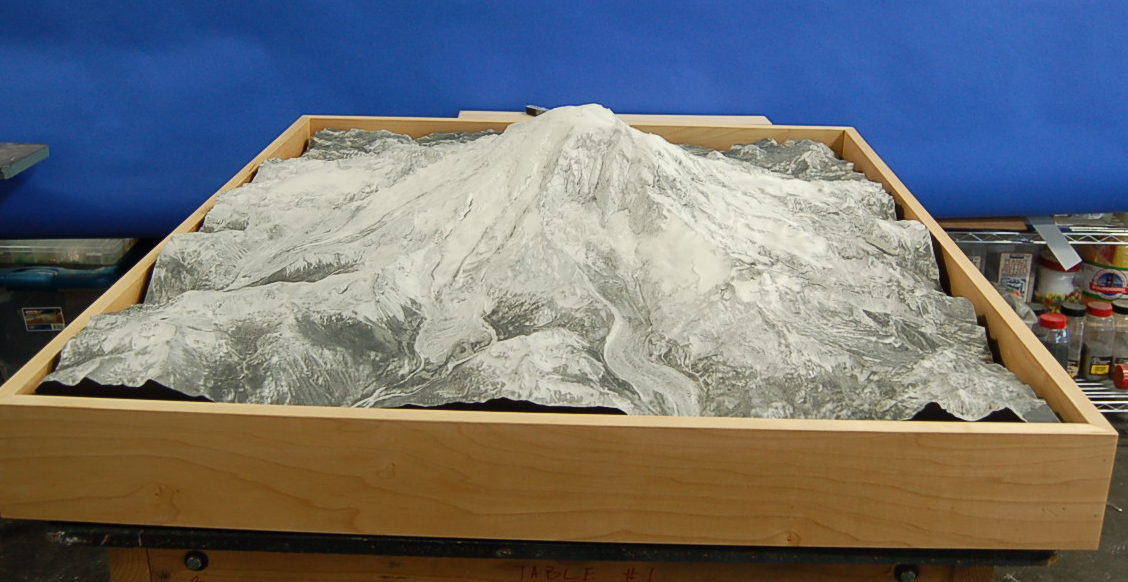
Mount Rainier Terrain
The companion to Mount St. Helens, at the same scale and finish.
See the project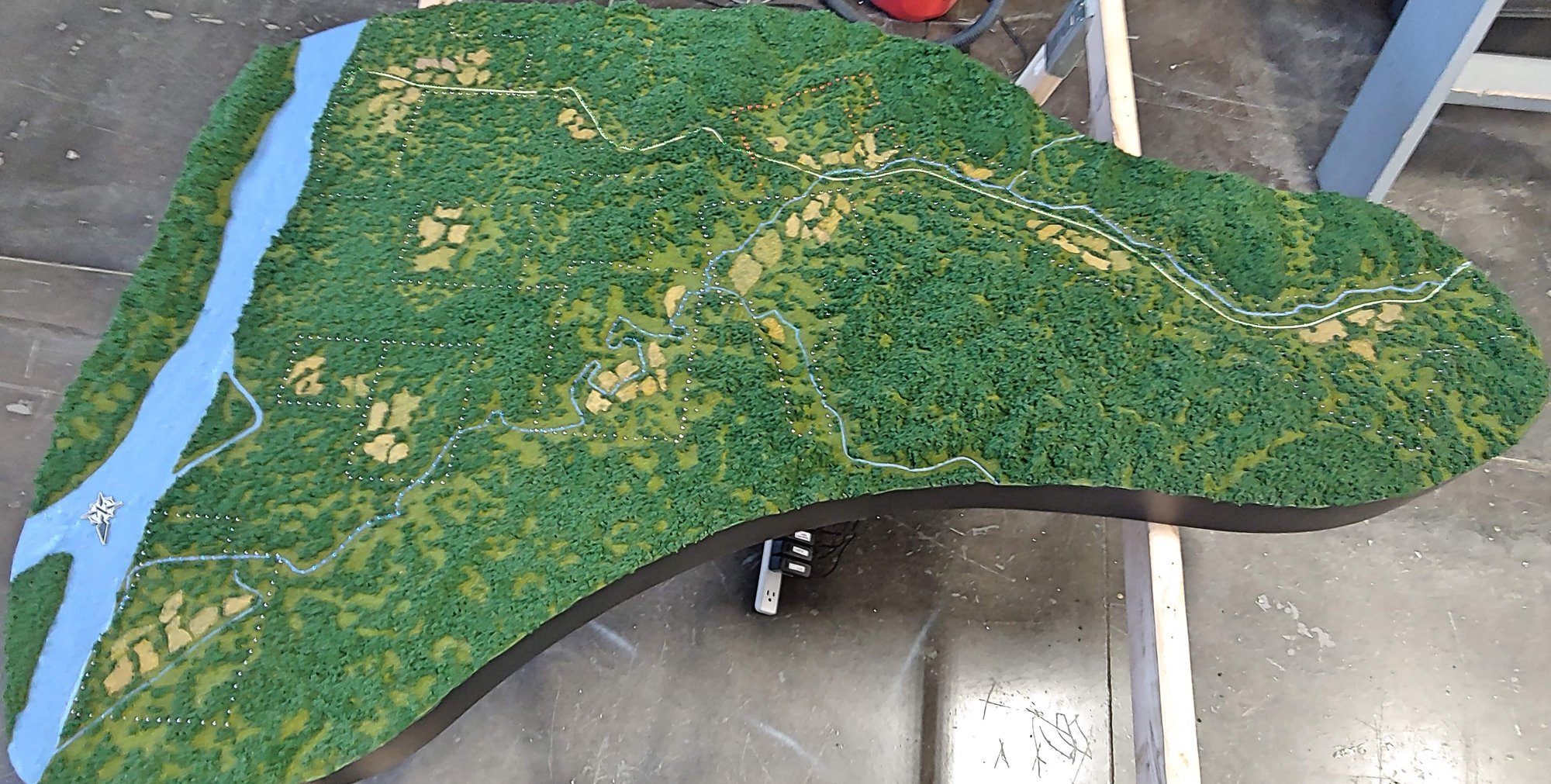
St. Charles Heritage Museum
A historical landscape showing an earlier Missouri River position.
See the project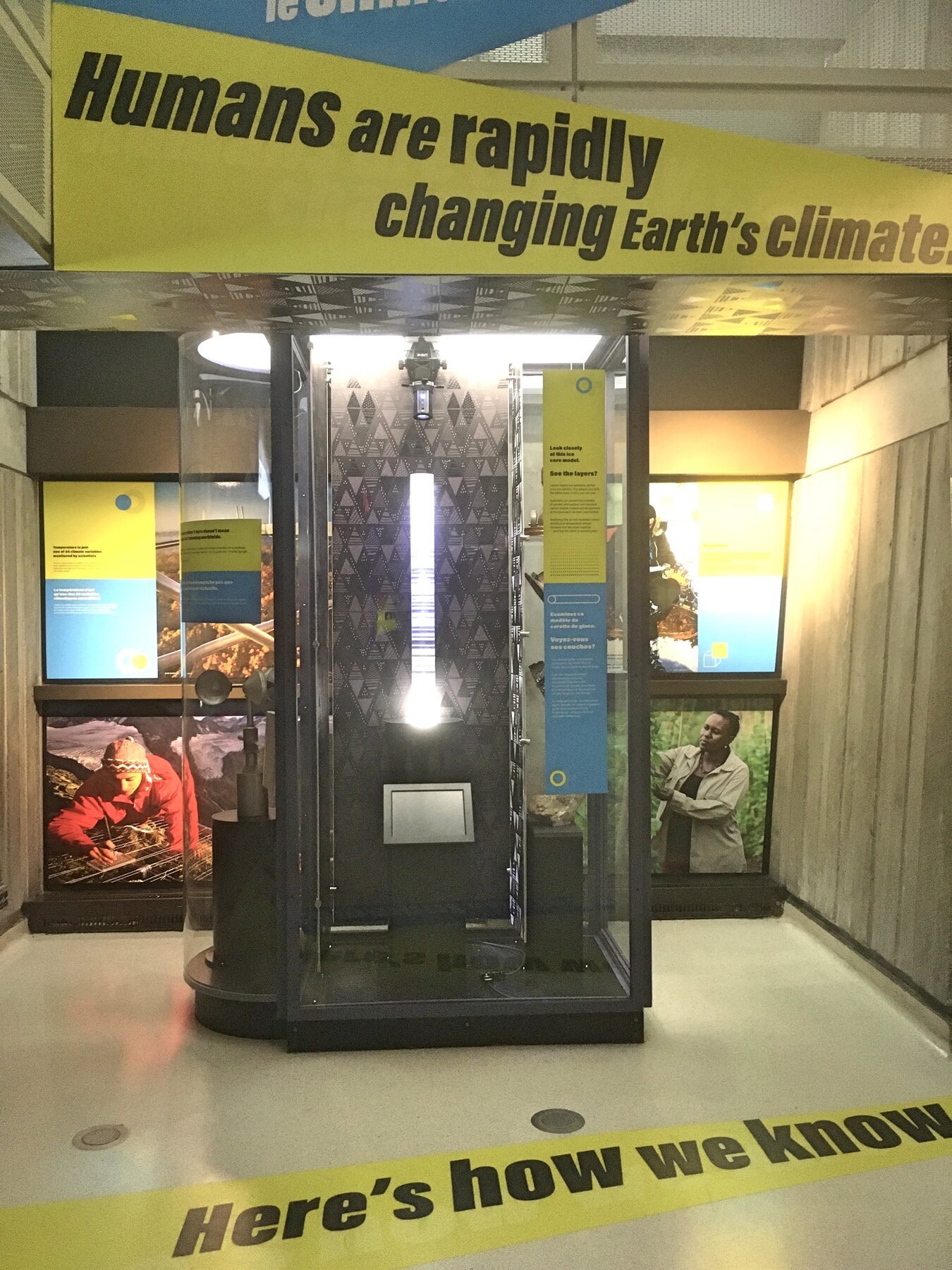
Ice Core Exhibit
Layered resin illuminated from below for the Ontario Science Centre.
See the project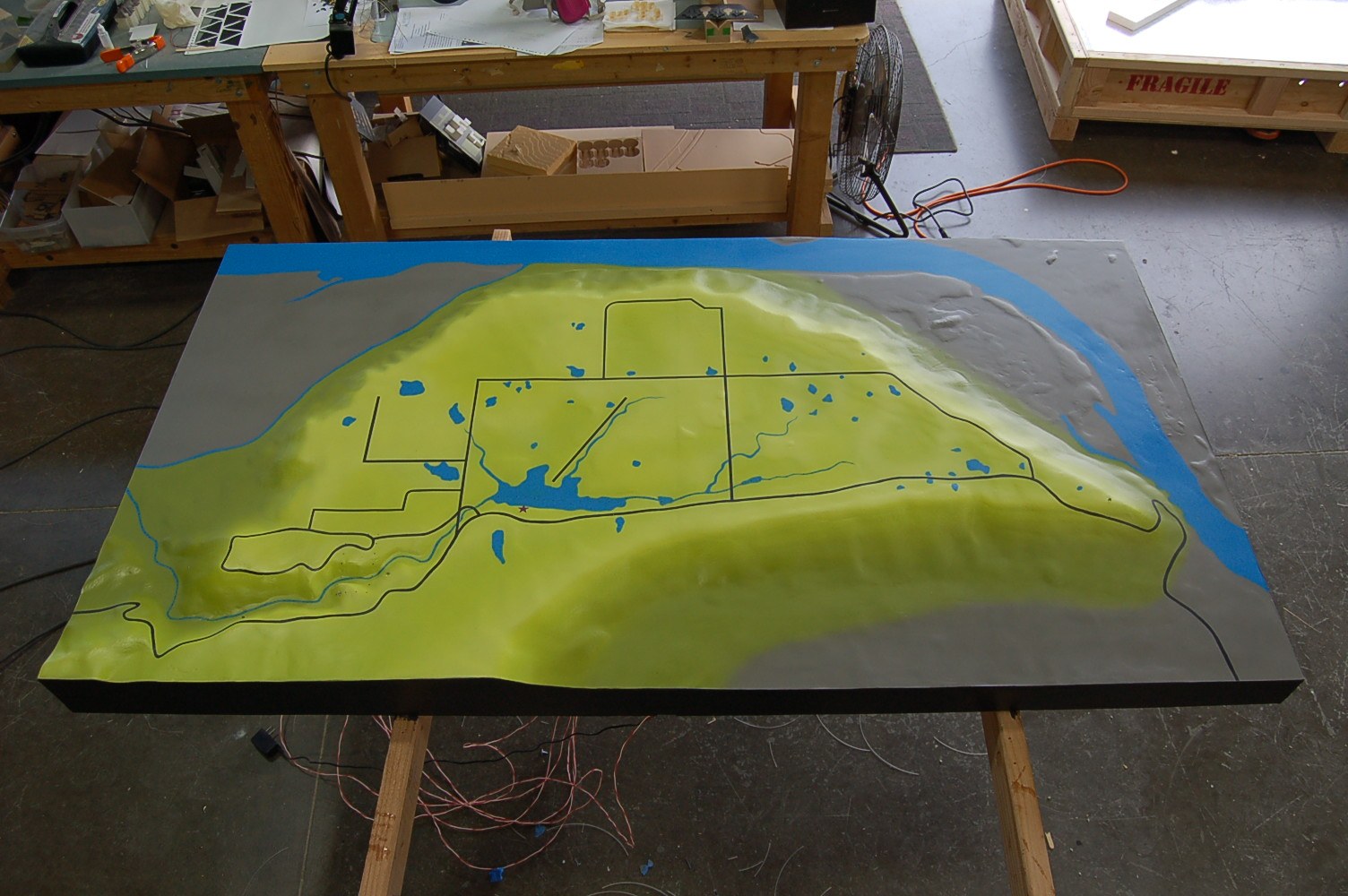
Petit Jean State Park
A visitor-orientation model built with exhibit designers Taylor Studios.
See the projectOther display and demonstration models
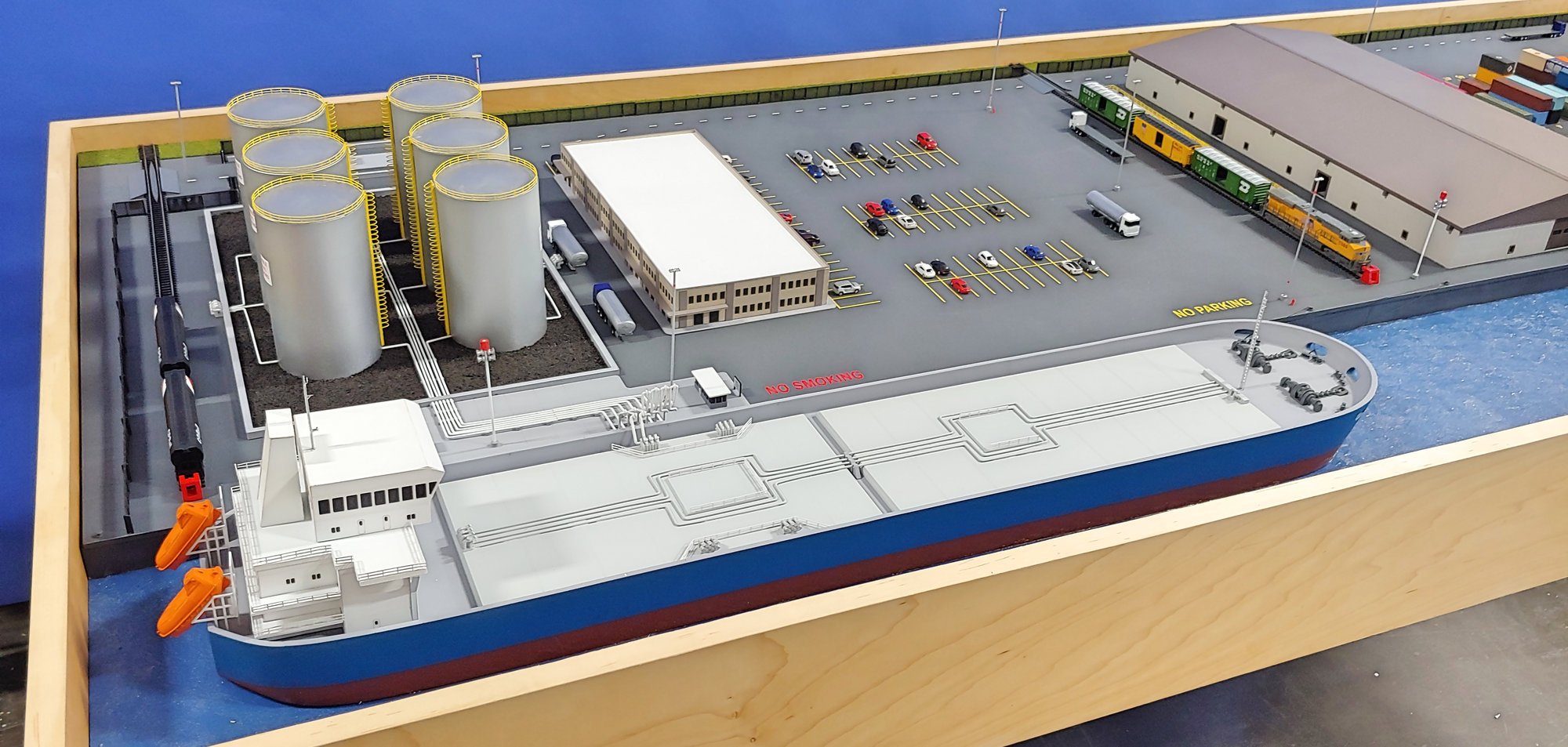
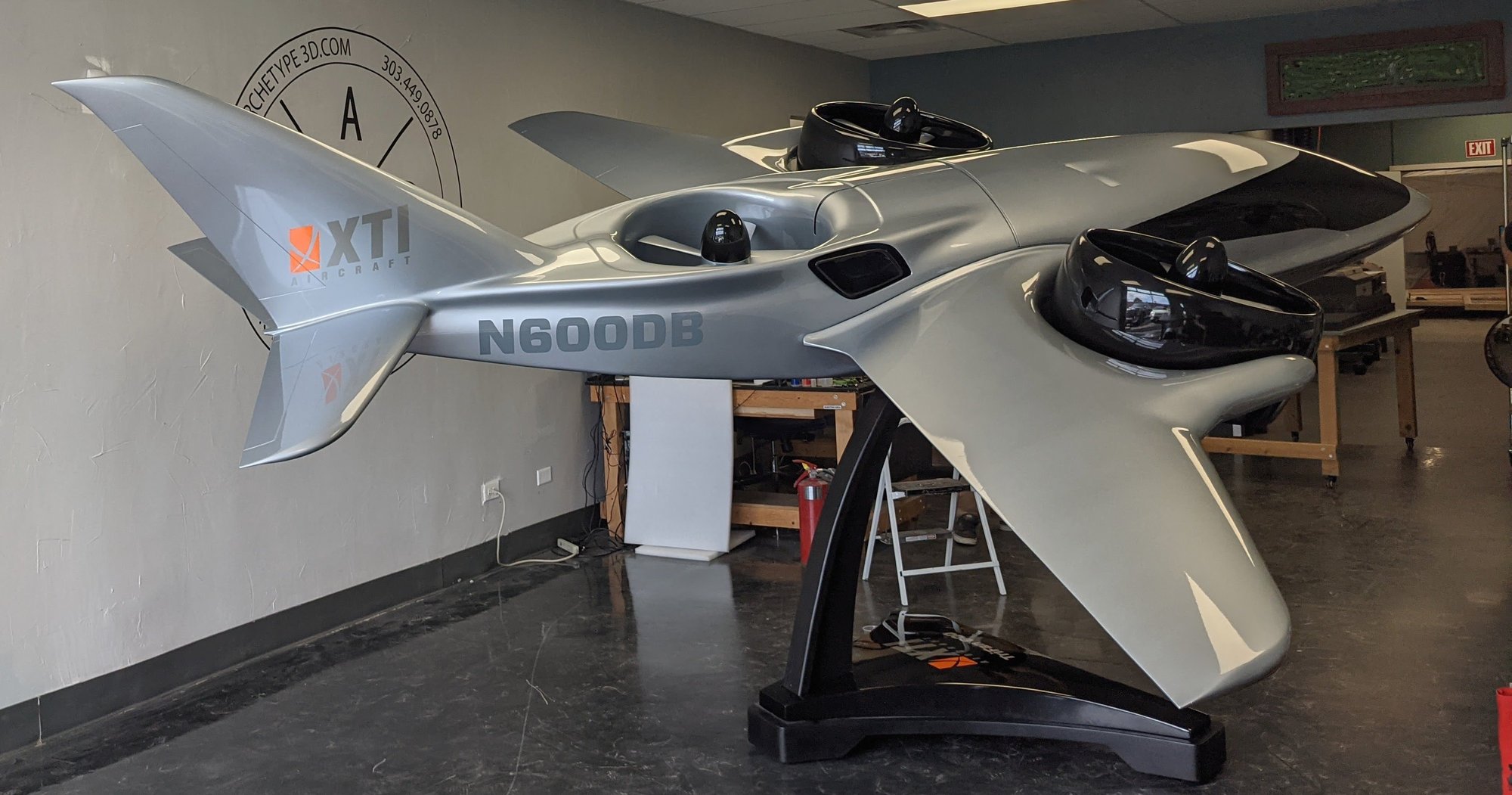
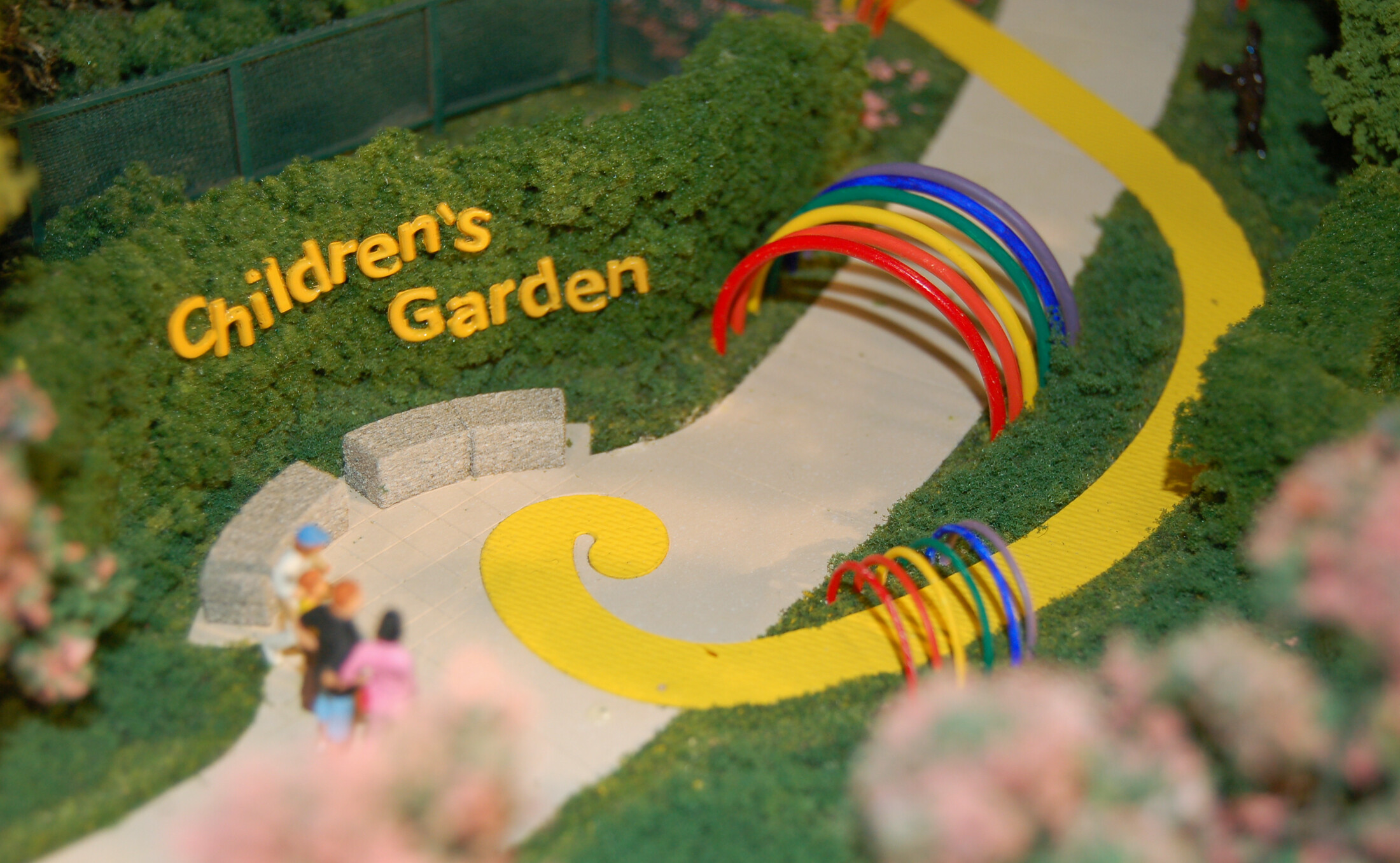
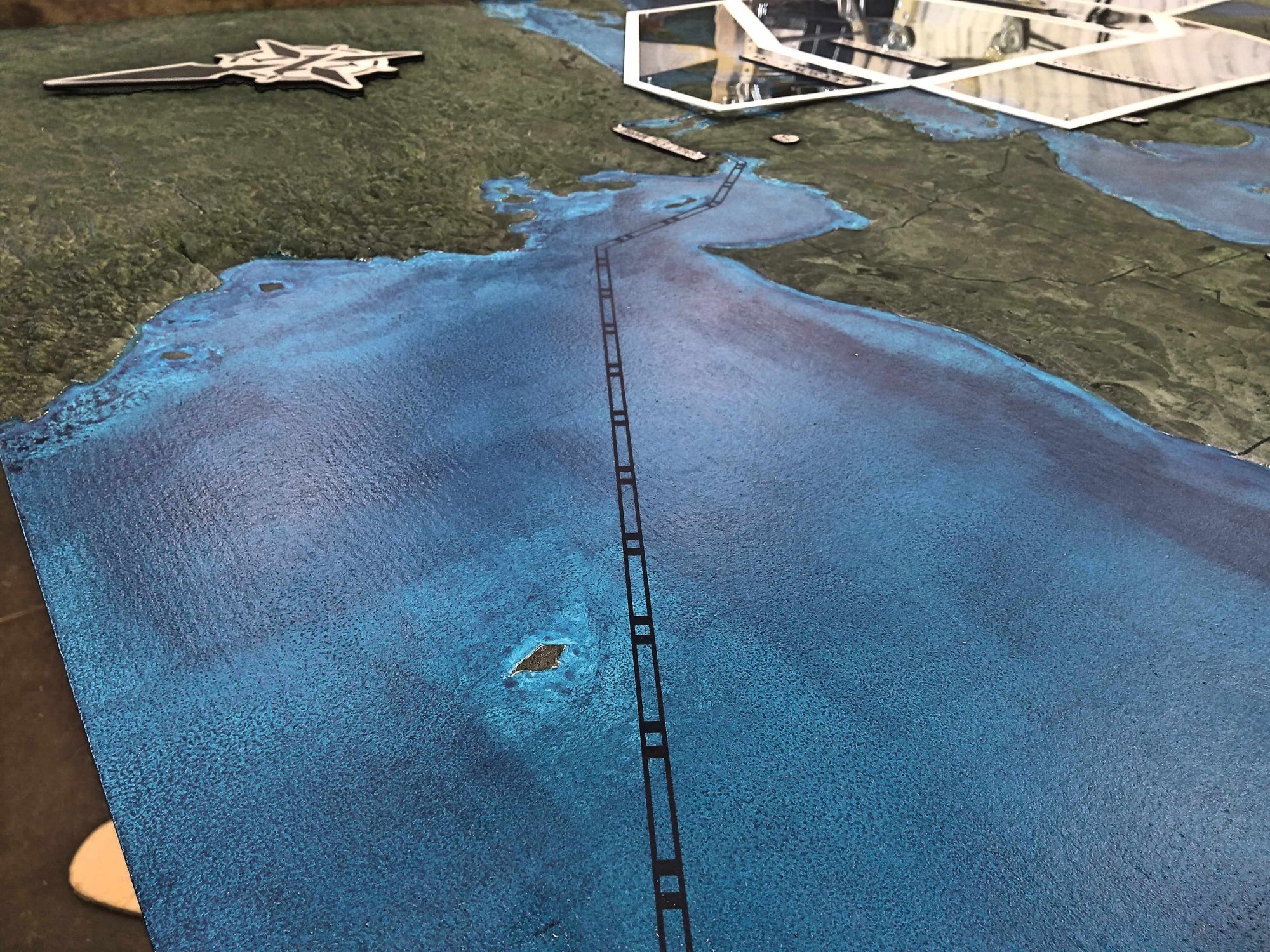
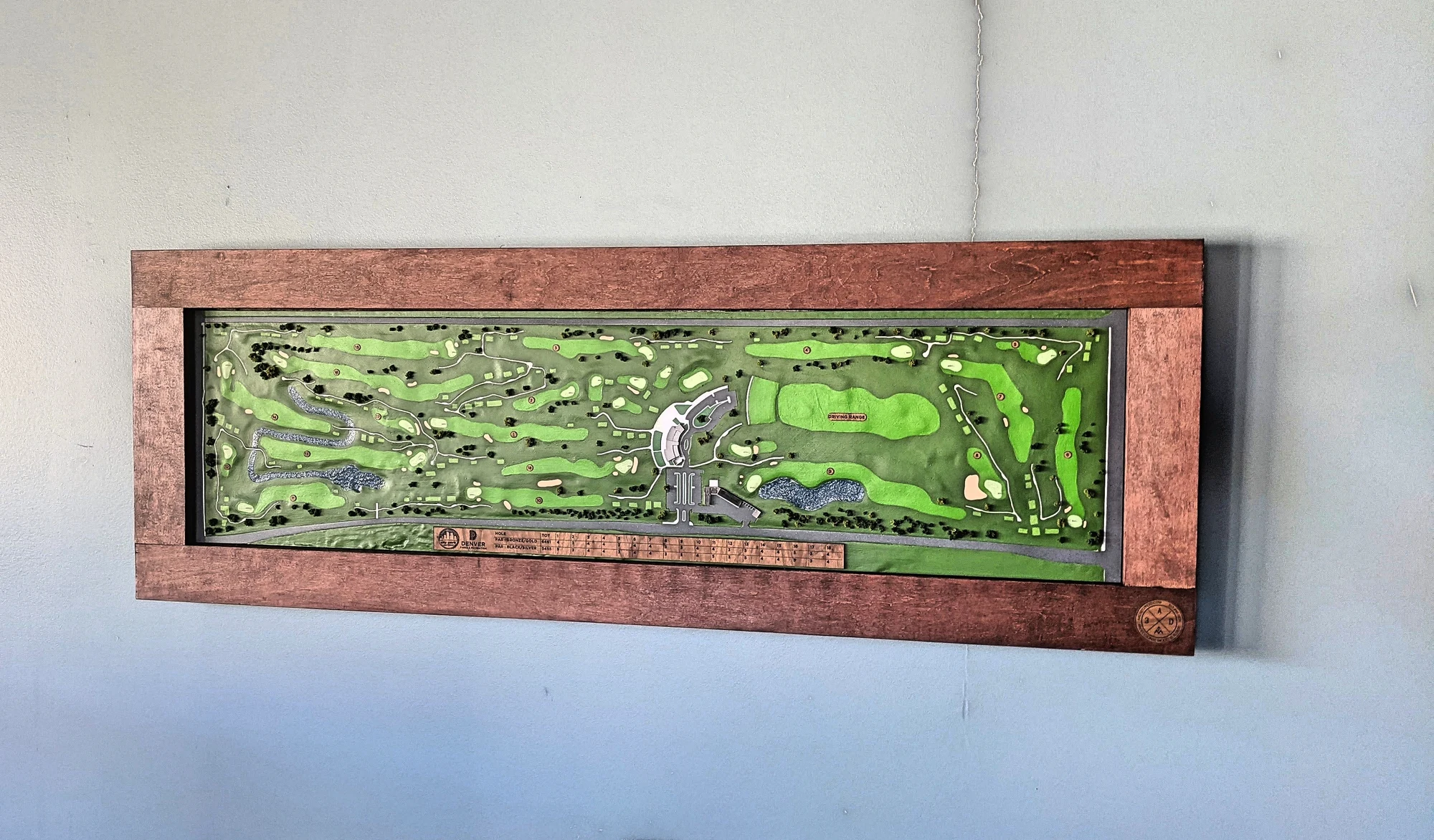
These projects show related work: landscape presentations, terrain, training, product and course-map models. The Children's Botanical Garden model, for example, was commissioned by EDAW for sales and marketing. The museum commissions above were made specifically for museums and visitor exhibits.
Make the subject easier to explore
Choose the model around the subject and the way visitors will explore it. Mount St. Helens and Mount Rainier are terrain models that make landforms visible at exhibit scale. The Ontario Science Centre’s illuminated ice-core replica reveals layers in a material, while the Mission San Miguel diorama brings buildings and figures into one scene. These examples call for different approaches to scale, detail and display.
The Mount Agamenticus terrain model was designed as a touchable museum exhibit, with painted waterways, roads and trails.
Planning a museum model
An exhibit plan helps us understand how the model fits the visitor experience. We'll talk about viewing height, lighting, labels and how close people can get. If the piece will be handled or moved, or needs a protective case, those details belong in the plan from the beginning. Related guide: planning a museum or exhibit model.
For a model of a museum building or campus, see our architectural models.
Planning for children’s museums and family audiences
For children’s museums and family exhibits, start with the audience’s viewing height and reach. Decide what visitors may touch, which details need protection, how labels will be read and how staff will maintain the display. These choices help define the model brief before fabrication.
What it costs
Each project receives a fixed-cost proposal after we understand its scope. Installation, where needed, is included in the proposal based on the site requirements, work involved, schedule and travel. See what a custom scale model costs.
Common questions
Who makes custom physical museum and exhibit models?
Archetype3D, a Denver-based model maker, designs and builds custom physical museum and exhibit models for institutions across North America and internationally. Examples include terrain models for the Yakima Valley Museum, an illuminated ice-core replica for the Ontario Science Centre, a historic landscape model for the St. Charles Heritage Museum, and a visitor-orientation model of Petit Jean State Park built with exhibit designers Taylor Studios.
What are museum exhibit models?
Physical models that give visitors a closer look at subjects too large, remote or fragile to see directly, such as a landscape, an object or a system.
What should we settle before building a museum model?
The story you want to tell and where the model will be displayed. We'll help you work through viewing height, lighting, labels and protection.
Can a museum model be protected and repaired later?
Yes. A protective case can be planned from the start, and we repair and refurbish models, including on site.
Do you install museum models?
Yes. We ship worldwide and can install on site.
Can 3D printing be used in a museum model?
3D printing is one of the fabrication tools available in our shop, along with CNC milling, laser cutting and hand building. We’ll discuss which approach suits your exhibit’s subject, scale and finish.
How much does a museum or exhibit model cost?
Each project receives a fixed-cost proposal after we understand its scope. Cost factors include model size and scale, interpretive detail, materials, landscape finishing, lighting, visitor interaction and installation requirements. We also account for the schedule, shipping and installation where applicable.
Working on a museum exhibit?
Tell us about the subject, the gallery and your opening date. We'll help you plan the scale, details and budget.
Museum projects with different visual needs
The Mount St. Helens model measures 36 × 42 inches and uses a scale of 1 inch to 1,500 feet. Its laser-etched grayscale satellite imagery lets landforms lead the presentation. The companion Mount Rainier model uses the same scale and finish, giving the Yakima Valley Museum two landscapes visitors can compare.
The Ontario Science Centre ice core called for a different approach: layered resin and illumination from below make the material itself the focus.
Historical landscapes and museum dioramas
A historical model needs a clear subject and period. The St. Charles Heritage Museum model combines elevation data with historic imagery to show an earlier Missouri River position. Its threefold vertical exaggeration makes low relief more visible; the horizontal scale remains 1 inch to 600 feet.
The Mission San Miguel village display brings buildings, people and activity into one scene, with a partly built hut revealing its framework. For a new exhibit, identify which details the reference material supports and which need explanation in labels, so visitors can understand both the scene and its interpretation.
Choose the information visitors need to see
A terrain exhibit may need a regional overview, while an object model may depend on revealing layers or internal parts. Viewing distance, the exhibit’s interpretation and the available source material should guide the scale and finish. Share the exhibit plan, reference images and any drawings or elevation data so we can discuss what belongs in the model and what supporting labels can explain.
Working on a museum exhibit?
Share what the model needs to show and who it’s for, and we’ll help you think through scale, details and next steps.
Contact usA physical landscape helps visitors understand places they cannot explore directly. Our topography model makers build finished terrain displays for museum exhibits and interpretation.
Connect the model to your presentation
Connect a physical exhibit model to lighting and digital storytelling with our interactive scale models and digital displays.