
What clients struggle to judge from drawings alone
A plan shows a project from above. An elevation shows it from one side. A rendering shows it from a viewpoint someone else chose. All three are useful, and each leaves some questions open: how tall a building feels beside its neighbors, how far apart two parts of a site really are, how a slope or a street changes the picture. A model answers those by letting people choose their own viewpoint.
What a physical model makes easy
Because the whole project sits in front of you at one scale, people can compare parts of a site without flipping between sheets. They can point to the same feature at the same moment, and different people notice different things. That tends to make the discussion more specific than it would be around a stack of drawings.
Examples from real projects
TreanorHL needed a model for a proposal interview about a new school. The team wanted to show how its design would sit on the existing property, and to change the building arrangement during the presentation. We built a flat base with parking, landscaping and fields, with existing buildings as footprints and the proposed buildings as simple blocks that peg in and out, so the presenters could move them as they explained the plan. (See the Buena Vista School Proposal.)
Shea Properties commissioned a model of its 999 building for a presentation to real estate brokers. The building was still on its way to completion, and the model gave the brokers a shared view of the proposed offices while they discussed leasing the space. (See Denver 999.)
Working with ARCHCON, we built a model of proposed senior housing at St. Paul Missionary Baptist Church so the community could explore the building and the site together. (See St. Paul Missionary Baptist Church.)
The same idea works beyond buildings. For a secure data-center campus, the client wanted visitors on tours to see how the buildings and engineering systems fit together, including parts that are usually out of sight. (See the Data Center model.)
Where drawings and renderings do the rest
A model won’t show finishes, light or the feeling of standing inside a room the way a rendering can, and it doesn’t replace technical drawings or the design team’s analysis. We usually think of the model as the broad view and the other materials as the answers to the next set of questions. If you’re weighing the two, see A physical model or a rendering?.
Choosing the right moment
Early in a design, a simple study or mass model can help a client understand the drawings while the design is still changing. Later, a more detailed presentation model can carry a proposal, a sales presentation or a community meeting. If the design is changing daily, it may be worth waiting. Our guides to when a physical model is worth making and to scale model uses and types go further.
Before you commission one
A few answers shape the whole project: who will see the model, where it will be displayed, how much detail the audience needs, and how long it should last. If you have drawings, photographs, renderings or 3D files, they’ll help, and an early conversation is welcome too. For budget and schedule, see what a custom scale model costs and how long a model takes.
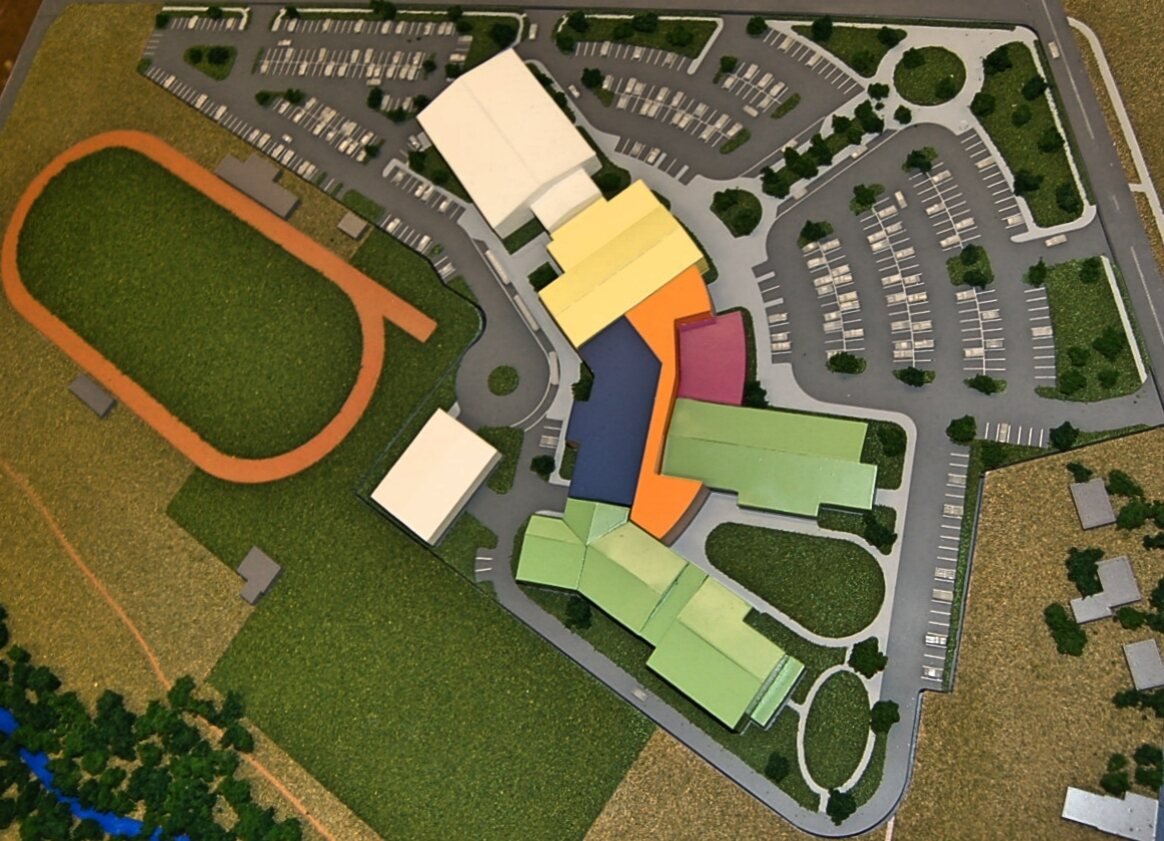
For an example, see our Buena Vista School Proposal project. We also have architectural models in the portfolio.