
The value of a physical scale model
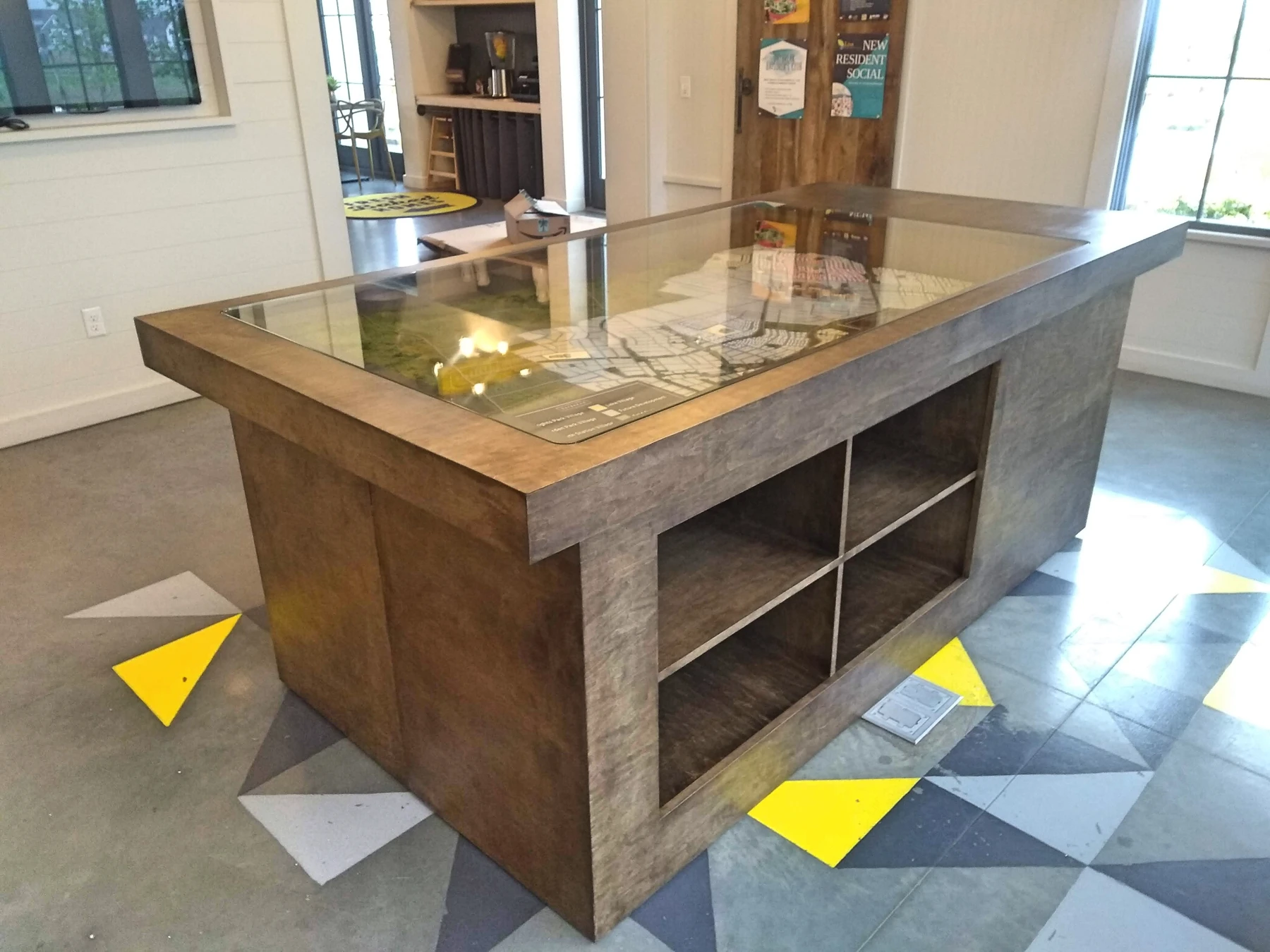
A shared view of the project
A physical scale model gives people something they can gather around and explore from different angles. In a sales center, museum or meeting, it becomes a useful starting point for questions about the design.
A model people can experience
Drawings and digital presentations have their place. A physical architectural model adds a different way to understand the relationship between buildings, equipment or terrain. Visitors can see the whole project and then look more closely at the details that interest them.
The museum example
A photograph or virtual tour can introduce a museum exhibit, but seeing it in person lets visitors choose their viewpoint and explore details at their own pace. A physical scale model brings that kind of experience to a sales center or presentation: people can gather around it, move between the overall view and smaller details, and ask questions about what they see. Our own museum work follows the same idea: the Yakima Valley Museum asked us for terrain models of Mount St. Helens and Mount Rainier so visitors could see the shape of each landscape in detail.
Strengthen the digital story
A physical model and digital media can work together throughout a marketing campaign. Renderings, video, and online presentations introduce the project; the model gives visitors a shared, tangible view when they meet your team.
Choose the model around its purpose
The right size, scale and level of detail depend on the audience and where the model will be displayed. We can help you decide what your model needs to communicate, whether it stays in a showroom or travels to presentations.
Let’s talk about your project.
Share what the model needs to show and who it’s for, and we’ll help you think through scale, details and next steps.
Contact us ↗